Turn on cookies to sign in
Signing in saves your progress to your Curie account. We can only do that with cookies on — turn them on to continue.
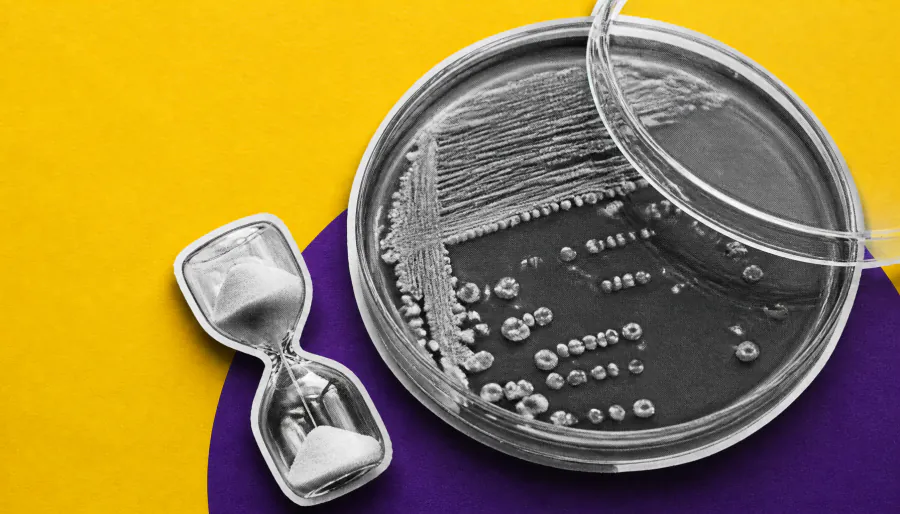
Your gut bacteria may hold the secret to aging well. UC San Diego researchers found that certain gut microbiome changes linked to exceptional longevity — specifically increased bile acid modification — may actually be protective adaptations. When they engineered bacteria to boost this activity in aged mice, the animals showed better insulin sensitivity, improved body composition, and enhanced metabolic health.
Scientists at UC San Diego have flipped the script on aging research: instead of focusing on what goes wrong in the gut microbiome as we age, they zeroed in on what might be going right. Their study, published in Cell Metabolism, found that centenarians show higher levels of a specific type of bile acid modification driven by gut bacteria — a pattern also seen in aged mice — suggesting these changes may be the body's way of protecting metabolic health, not a sign of decline.
The key players are enzymes called bile salt hydrolases (BSH), produced by gut bacteria, which chemically alter bile acids to influence metabolism, inflammation, and the body's internal clock. When researchers engineered gut bacteria to continuously produce BSH and introduced them into aged mice, a single treatment led to lasting colonization — and meaningful metabolic improvements over the following months.
By the Numbers
Why it matters: This research opens a new avenue for healthy aging interventions — one that targets specific beneficial microbial functions rather than overhauling the entire gut microbiome. If validated in humans, it could lead to therapies that help people stay metabolically resilient well into old age.