Turn on cookies to sign in
Signing in saves your progress to your Curie account. We can only do that with cookies on — turn them on to continue.
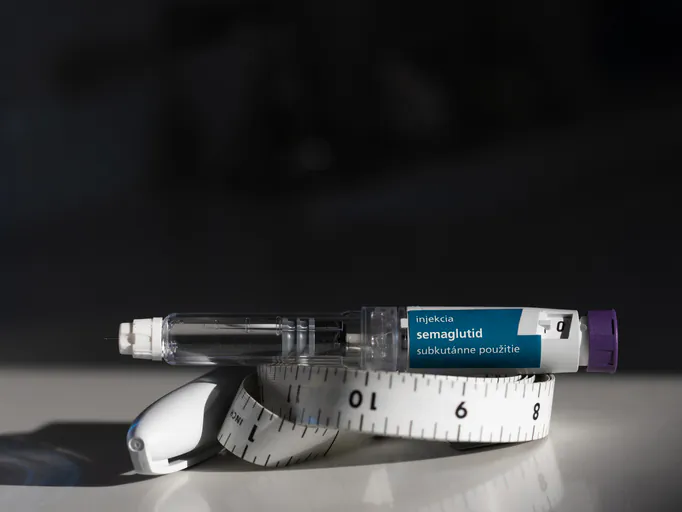
Pairing GLP-1 medications with a full obesity care program dramatically outperforms the drug alone, according to a new two-year real-world study. Patients in Calibrate's integrated program lost 17.3% of their body weight versus 10.7% for those on GLP-1s without support — a 60%+ difference. The findings add fuel to the debate over whether insurers should cover comprehensive obesity care, not just the prescription.
A new two-year real-world study from Withings Health Solutions and Calibrate Health makes a compelling case that GLP-1 weight loss drugs work significantly better when paired with structured clinical and behavioral support. The study tracked nearly 5,000 U.S. adults who started GLP-1 therapy between 2022 and 2024, comparing those enrolled in Calibrate's integrated obesity program against those taking the medication without additional support.
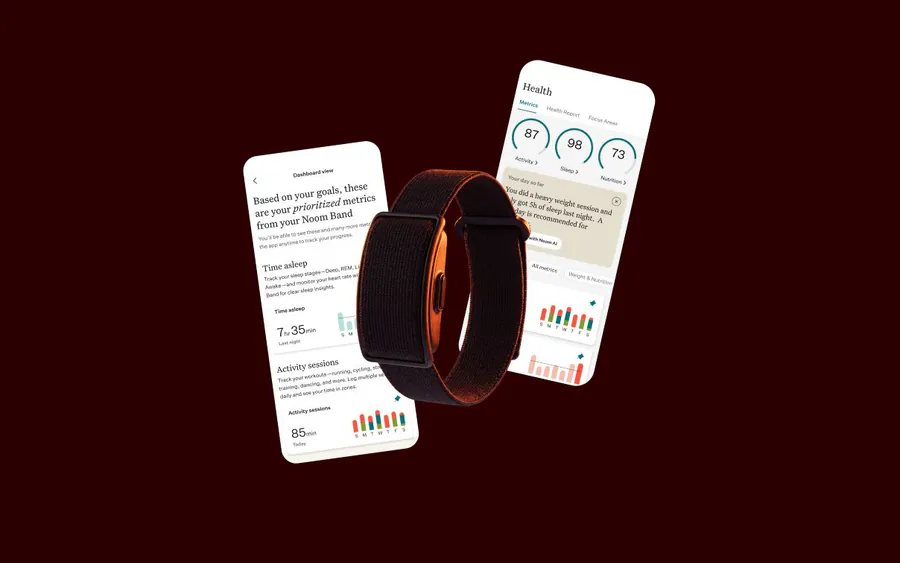
The results were striking: Calibrate members sustained greater weight loss over time and showed better body composition outcomes — a key marker of metabolic health. The program combines physician-led care, one-on-one coaching across nutrition, activity, sleep, and mindset, and continuous monitoring via Withings smart scales. Researchers used causal-inference methods to adjust for baseline differences between the groups.
By the Numbers:
Why it matters: With employer healthcare costs projected to rise 9.5% next year and GLP-1s driving a big chunk of that increase, this study gives payers and employers evidence that investing in wraparound obesity care — not just drug coverage — may deliver better outcomes and potentially lower long-term costs.