Turn on cookies to sign in
Signing in saves your progress to your Curie account. We can only do that with cookies on — turn them on to continue.
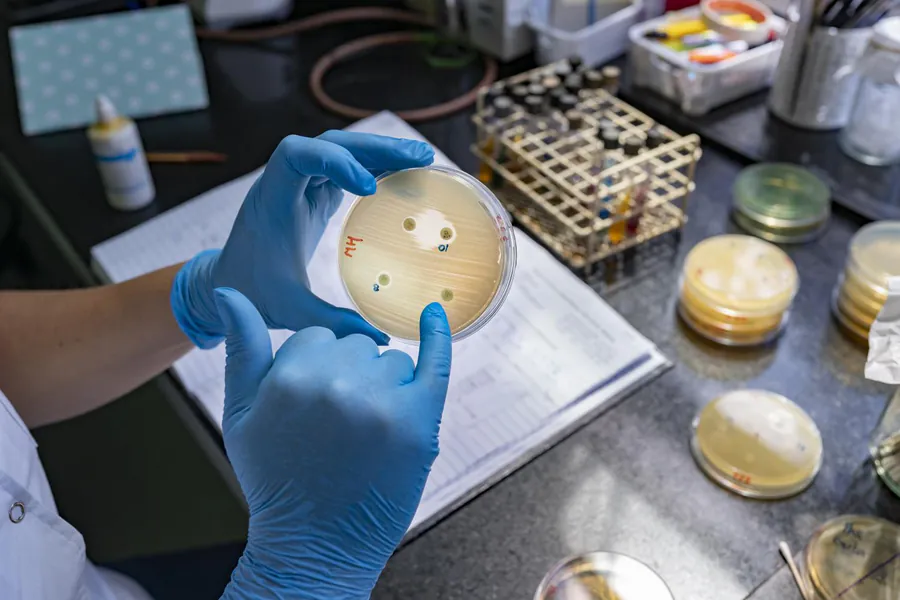
The world has made progress on paper in fighting antimicrobial resistance (AMR), but real-world action is lagging far behind. A new WHO survey found that while 89% of member states have national AMR action plans, only 22% have translated those plans into funded programs. With drug-resistant infections already killing over a million people annually, the WHO is urging countries to stop planning and start delivering.
The world has made impressive strides on paper in the fight against antimicrobial resistance (AMR) — but turning those plans into action is another story. New data from the WHO's Tracking AMR Self-assessment Survey (TRaCSS) show that 179 countries (89% of WHO member states) now have a national AMR action plan, a dramatic jump from just 41% in 2017. The catch? Only 22% of those countries have backed their plans with actual funding.
The gaps don't stop there. Less than 60% of countries have implemented national surveillance systems for antimicrobial use or resistance, and only 36 countries have a national reference lab capable of testing for drug resistance in key bacteria and fungi. Without proper testing, clinicians are essentially flying blind when treating infections.
By the Numbers:
Why it matters: Drug-resistant infections don't respect borders. Without urgent investment in surveillance, diagnostics, and prevention, the world risks a future where even common infections become untreatable — a crisis that disproportionately hits low-resource countries hardest.