Turn on cookies to sign in
Signing in saves your progress to your Curie account. We can only do that with cookies on — turn them on to continue.
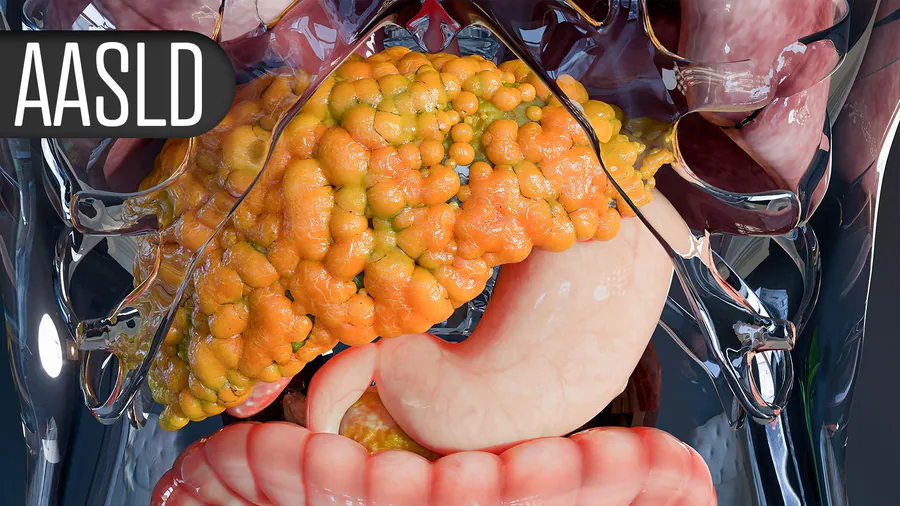
A single injection of a novel siRNA therapy dramatically reduced liver fat in patients with metabolic liver disease. In a phase I trial, 62% of treated patients achieved normal liver fat levels within 36 weeks — compared to zero in the placebo group. The results, published in the NEJM, suggest the therapy could potentially be dosed just once every six months.
A single subcutaneous dose of CIDEBsiRNA (ALN-CIDEB), a novel gene-silencing therapy, led to dramatic reductions in liver fat among patients with metabolic dysfunction-associated steatotic liver disease (MASLD) in a phase I placebo-controlled trial. Of 40 patients enrolled, 62% of those receiving the drug achieved normalized liver fat (below 5%) by week 36, and 93% hit the 30% relative reduction threshold associated with meaningful clinical improvement — compared to 0% and 10%, respectively, in the placebo group. Results were simultaneously published in the New England Journal of Medicine.
The therapy works by targeting the CIDEB gene in liver cells, which regulates fat droplet size. People with natural loss-of-function mutations in this gene have lower risks of liver disease. Researchers noted the effects lasted well beyond six months, raising the possibility of a twice-yearly dosing schedule. The drug has since advanced into phase II and phase III trials.
By the Numbers:
Why it matters: MASLD affects tens of millions of Americans, yet no drugs are specifically approved for it. A single-dose therapy with durable, potent effects could be a game-changer for a condition currently managed only through lifestyle changes.