Turn on cookies to sign in
Signing in saves your progress to your Curie account. We can only do that with cookies on — turn them on to continue.
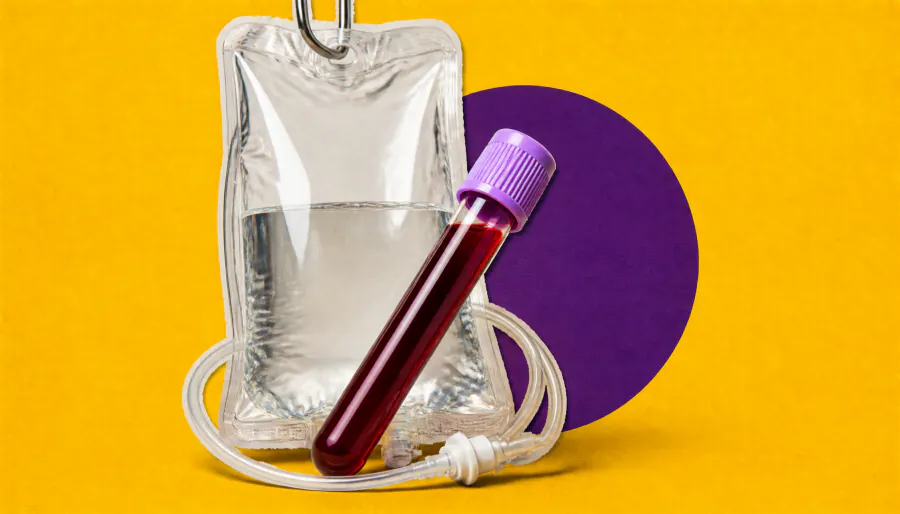
Higher vedolizumab blood levels tied to better IBD outcomes. A new meta-analysis of 6,753 patients finds that those with Crohn's disease and ulcerative colitis who achieved clinical remission had significantly higher vedolizumab trough concentrations. In UC specifically, higher drug levels were also linked to endoscopic remission, suggesting therapeutic drug monitoring could help guide treatment decisions.
Higher vedolizumab drug levels tied to remission in IBD patients
A systematic review and meta-analysis published in Clinical Gastroenterology and Hepatology finds that patients with inflammatory bowel disease (IBD) who achieve clinical remission tend to have significantly higher vedolizumab trough concentrations — the drug levels measured just before the next dose. The analysis, led by researchers from Harvard Medical School, pooled data from 23 studies (2013–2025) across Europe, North America, the Middle East, and Asia-Pacific.
Across both Crohn's disease (CD) and ulcerative colitis (UC), patients in clinical remission showed meaningfully higher drug levels than those who did not respond. In UC, higher trough levels were also linked to endoscopic remission — a more objective measure of disease control — while no significant trend was observed in CD for that endpoint.
By the Numbers
Why it matters: While the cross-sectional nature of the data limits causal conclusions, these findings suggest therapeutic drug monitoring (TDM) of vedolizumab could help clinicians distinguish between pharmacokinetic failure (too little drug) and pharmacodynamic failure (drug present but not working) — a key distinction for optimizing IBD treatment strategies.