Turn on cookies to sign in
Signing in saves your progress to your Curie account. We can only do that with cookies on — turn them on to continue.
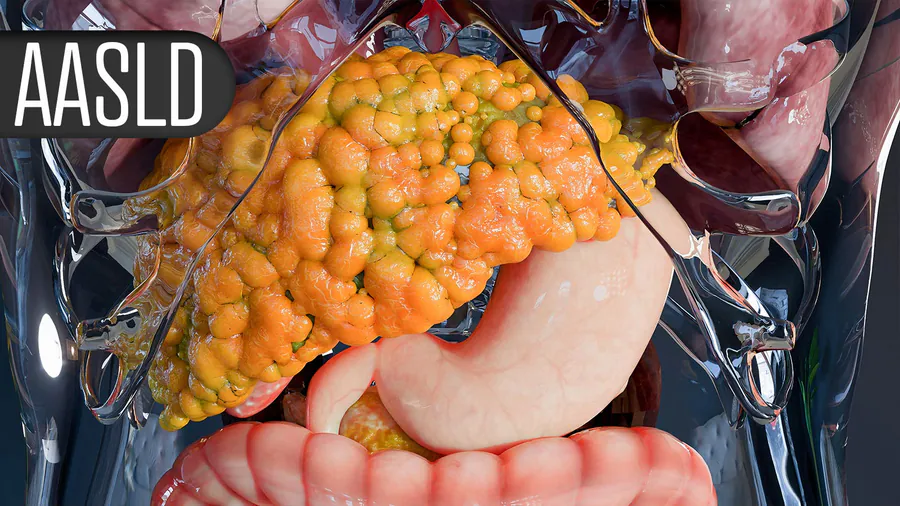
Early biomarker responses could replace liver biopsies for MASH monitoring. An exploratory analysis of the phase III MAESTRO-NASH trial found that early changes in blood and imaging biomarkers — including ALT, MRI-PDFF, and MRE liver stiffness — at weeks 12–16 were strongly associated with MASH resolution and fibrosis improvement at week 52 in patients treated with resmetirom (Rezdiffra). The findings suggest clinicians may have a noninvasive way to gauge treatment response.
No biopsy? Early biomarkers may tell the MASH story
For patients with metabolic dysfunction-associated steatohepatitis (MASH) on resmetirom (Rezdiffra), early shifts in blood and imaging biomarkers could signal whether treatment is working — no invasive liver biopsy required. An exploratory analysis of the phase III MAESTRO-NASH trial, presented at the AASLD Liver Meeting in Denver, found that biomarker responses at weeks 12–16 were significantly associated with MASH resolution and fibrosis improvement at week 52.
Resmetirom, the first FDA-approved drug for noncirrhotic MASH with F2–F3 fibrosis, showed clear advantages over placebo across all four biomarker measures, with patients on the drug also reaching sustained biomarker responses faster than those on placebo.
By the Numbers:
Why it matters: Since liver biopsies aren't routinely performed in clinical practice, these noninvasive biomarkers could give clinicians a practical, real-world tool to monitor treatment response in MASH patients — though ongoing data integrity concerns related to a whistleblower lawsuit against Madrigal Pharmaceuticals add a note of caution to the findings.