Turn on cookies to sign in
Signing in saves your progress to your Curie account. We can only do that with cookies on — turn them on to continue.
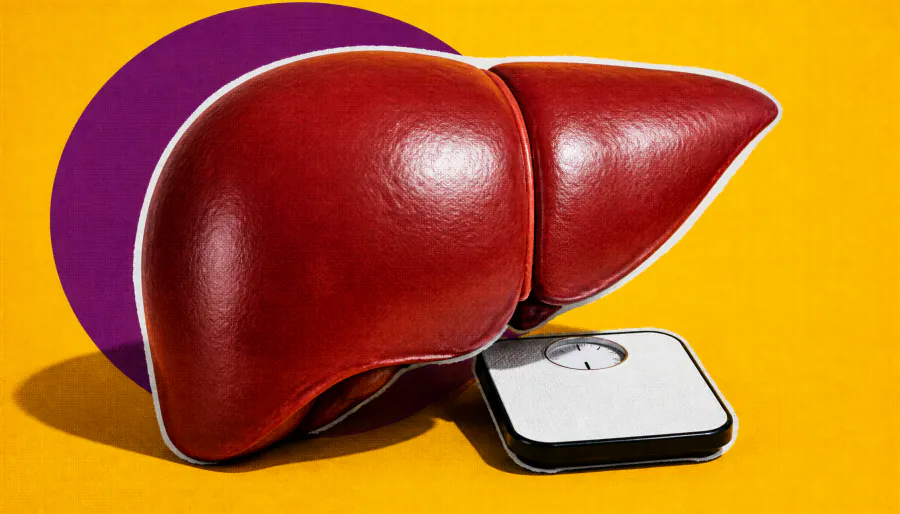
Not all diets are created equal — at least for your liver. A randomized clinical trial found that a ketogenic diet slashed liver fat by 67% and reversed prediabetes in half of participants, outperforming both Mediterranean and low-fat plant-forward diets despite all three groups losing the same amount of weight (~10%). Diet composition, it turns out, matters beyond the number on the scale.
Not all diets are created equal — at least for your liver
A new randomized clinical trial published in Cell Metabolism compared three popular diets — ketogenic, Mediterranean, and low-fat plant-forward — in 42 adults with obesity, prediabetes, and fatty liver disease. All participants lost roughly 10% of their body weight over 4–5 months, and all three diets improved skeletal muscle insulin sensitivity by about 50%. But that's where the similarities ended.
The keto group pulled ahead on nearly every liver and blood sugar metric. Hepatic insulin sensitivity improved 2–3x more in the keto group, and prediabetes remitted in half of keto participants — compared to just 29% on Mediterranean and 7% on the plant-forward diet. Notably, the keto group didn't see the expected spike in LDL or blood lipids despite eating the most fat.
By the Numbers
Why it matters: With fatty liver disease affecting ~75% of adults with obesity worldwide and GLP-1 medications now widely used, this study signals that what you eat — not just how much — can meaningfully shape metabolic outcomes. For clinicians managing patients with metabolic dysfunction-associated steatotic liver disease or prediabetes, a ketogenic approach may be worth considering, though long-term cardiovascular effects and real-world adherence remain open questions.