Turn on cookies to sign in
Signing in saves your progress to your Curie account. We can only do that with cookies on — turn them on to continue.
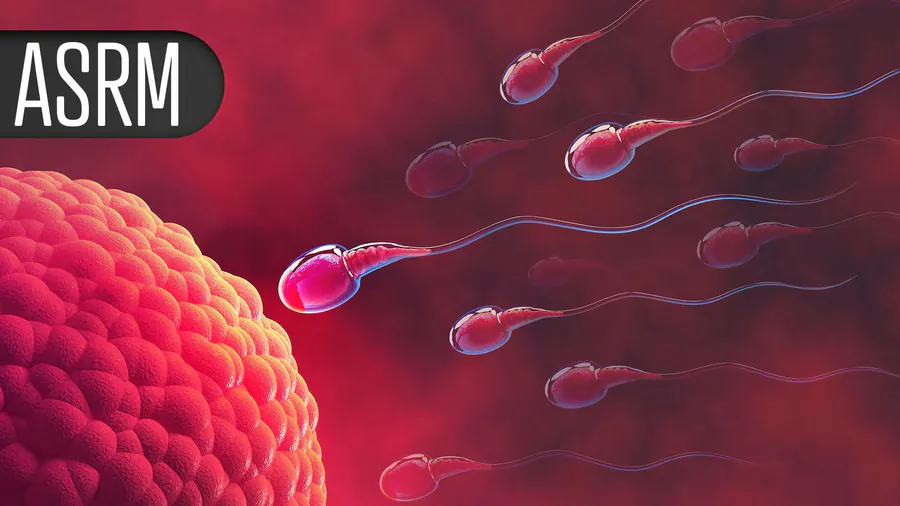
An AI tool called STAR is giving new hope to couples struggling with male infertility. The system detected sperm in all 10 spiked test samples — compared to just 3 out of 10 for a human expert — and has already led to three live births. For men previously told they have no sperm, this could be a game-changer.
An AI-powered system called STAR (Sperm Tracking and Recovery) is offering a potential lifeline to men diagnosed with azoospermia — a condition where no sperm is detected in semen. Developed by researchers at Columbia University Fertility Center, STAR uses high-speed imaging, real-time AI, and microfluidic technology to scan two million images and isolate ultra-rare sperm that human experts routinely miss.
In head-to-head testing, STAR detected sperm in all 10 spiked samples vs. just 3 for a trained clinician, and found 167 sperm compared to the clinician's 4 — a 41-fold difference. Among 175 real patients previously deemed sperm-negative, STAR found at least one sperm in 26% of cases. Crucially, the tool has already contributed to three live births.
By the Numbers:
Why it matters: Male infertility contributes to roughly half of all infertility cases, and azoospermia affects 10–15% of infertile men. STAR could spare couples from painful, often unsuccessful surgical procedures — though wider adoption will require making the system easier to use.