Turn on cookies to sign in
Signing in saves your progress to your Curie account. We can only do that with cookies on — turn them on to continue.
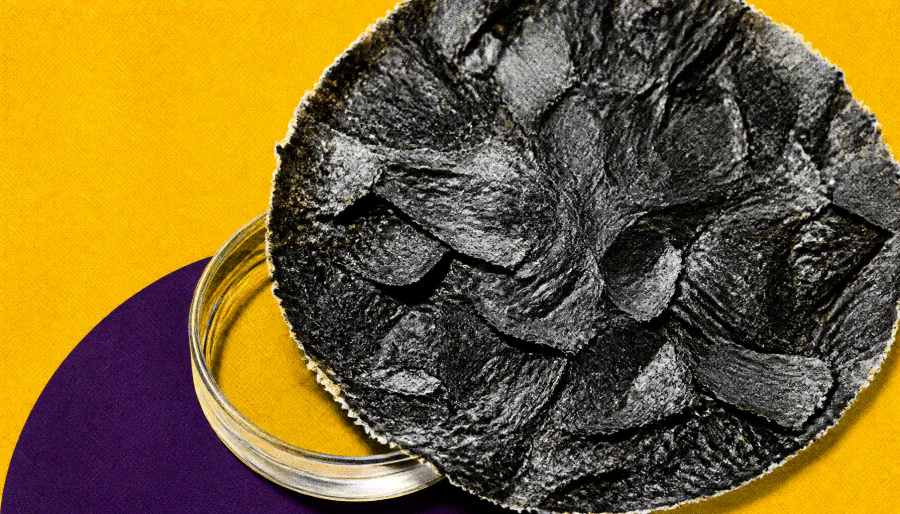
A peptide hiding in your seaweed snack could help control blood sugar. Scientists at Hokkaido University discovered that digesting dulse, a type of red seaweed, releases a tiny protein fragment called EVYR that inhibits an enzyme linked to insulin regulation. The finding opens the door to functional foods that could support diabetes prevention.
That sheet of nori wrapped around your sushi roll might be doing more than you think. Researchers at Hokkaido University have identified a novel peptide — a small protein fragment called EVYR — that is released when dulse, a type of red seaweed, is digested. Published in Food Bioscience, the study found that EVYR inhibits an enzyme called dipeptidyl peptidase-IV (DPP-IV), which normally breaks down hormones that trigger insulin release. By blocking this enzyme, EVYR helps keep those hormones active longer, potentially supporting better blood glucose regulation.
The team used liquid chromatography-tandem mass spectrometry to measure how much EVYR is produced during dulse digestion, and computer simulations suggest other red algae species may release it too. Dulse now joins fish, milk, and soybeans on the growing list of foods containing blood glucose-regulating peptides.
Key Takeaways:
Why it matters: With diabetes rates rising globally, identifying natural, food-based compounds that support insulin regulation could offer accessible, low-cost prevention strategies — especially in populations where seaweed is already a dietary staple.