Turn on cookies to sign in
Signing in saves your progress to your Curie account. We can only do that with cookies on — turn them on to continue.
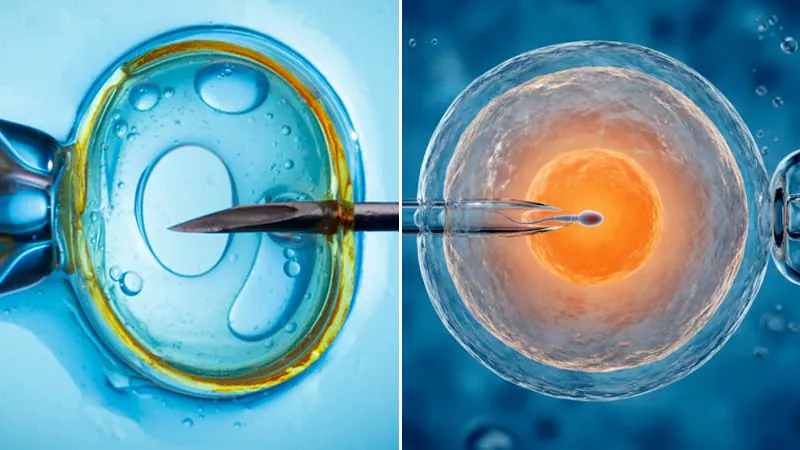
A large Danish study found that children conceived through assisted reproductive technology (ART) have a slightly higher cancer incidence than naturally conceived children — but experts stress the absolute risk remains very low. The study, published in JAMA, tracked over 1 million births across 20 years and found ICSI and frozen embryo transfer were independently associated with increased cancer incidence. Experts say the findings shouldn't deter anyone from pursuing fertility treatment.
A major new study published in JAMA has found a modest but measurable association between assisted reproductive technology (ART) and childhood cancer. Researchers analyzed data from over 1 million live births in Denmark between 1996 and 2012, following children for a median of 20 years. Of the 3,736 cancers identified, children conceived via ART had a higher cancer incidence than those conceived naturally — though experts are quick to note the absolute risk for any individual child remains extremely low.
The study zeroed in on three ART methods: IVF, intracytoplasmic sperm injection (ICSI), and frozen embryo transfer. Notably, only ICSI and frozen embryo transfer were independently linked to increased cancer incidence — not fresh IVF. Researchers also ruled out infertility itself as the driver, finding the ART association held even when compared to children of infertile parents who didn't use ART.
By the Numbers:
Why it matters: The findings are unlikely to change fertility treatment decisions, but they could prompt pediatricians to monitor ART-conceived children — especially those born via frozen embryo transfer — more closely for early signs of cancer.