Curie Brief
Turn on cookies to sign in
Signing in saves your progress to your Curie account. We can only do that with cookies on — turn them on to continue.
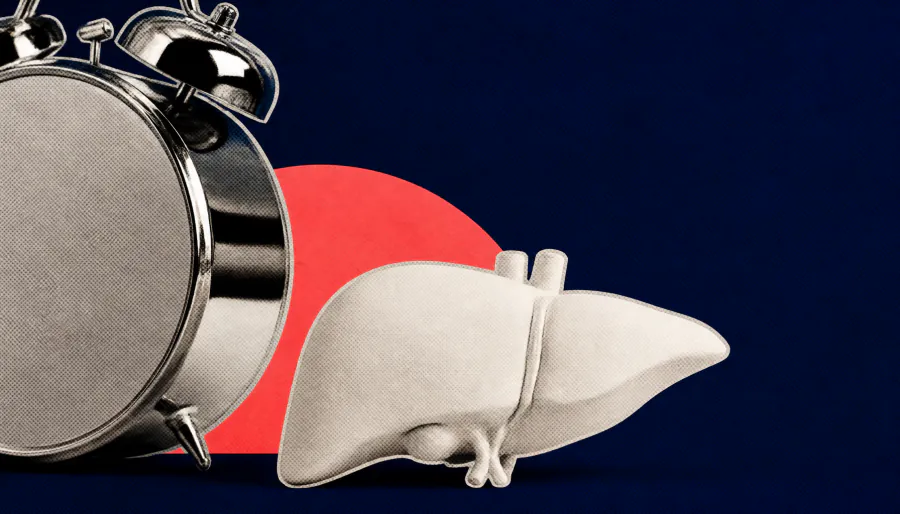
That late-night snack may be doing more harm than you think. A large study of nearly 200,000 participants found that eating after dinner or after bedtime significantly raises the risk of developing fatty liver disease (MASLD) and cirrhosis. Researchers say confining calorie intake to several hours before bed could be a simple but meaningful step for liver health.
That late-night snack may be doing more harm than you think. A new study published in Clinical Gastroenterology and Hepatology found that late-night eating — defined as consuming calories after dinner or after bedtime — is independently associated with a higher risk of developing metabolic dysfunction-associated steatotic liver disease (MASLD) and cirrhosis.
Researchers from Oregon Health and Science University pooled data from three large cohort studies — the Nurses' Health Study, NHS II, and the Health Professionals Follow-up Study — tracking nearly 200,000 participants over a median of 16 years. While skipping breakfast and irregular meal frequency showed associations in early models, those links faded after full statistical adjustment. Late-night eating, however, held up as a significant independent risk factor throughout.
By the Numbers:
Why it matters: Liver disease is a growing global health burden, and this study highlights a modifiable behavioral risk factor — meal timing — that clinicians can counsel patients on. Simply eating earlier in the evening could be a low-cost, accessible strategy to help reduce liver disease risk.