Curie Brief
Turn on cookies to sign in
Signing in saves your progress to your Curie account. We can only do that with cookies on — turn them on to continue.
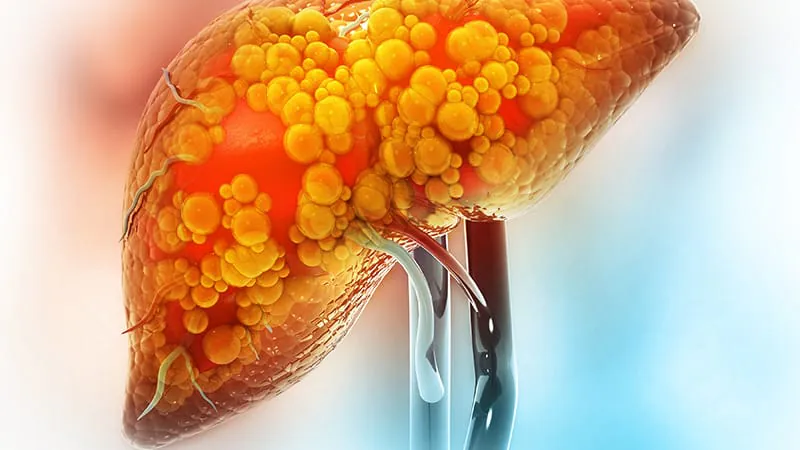
One liver risk score rises above the rest — barely. Among nine clinical risk scores tested in over 850,000 veterans with steatotic liver disease, the SAFE score showed the greatest net benefit for predicting cirrhosis within 10 years. The edge was real but modest, and no score proved reliable enough to guide hepatocellular carcinoma screening in patients without cirrhosis.
Researchers put nine clinical risk scores head-to-head in a massive cohort of over 853,000 U.S. veterans with steatotic liver disease (SLD), and the Steatosis-Associated Fibrosis Estimator (SAFE) score came out on top — though just barely. The study, published in JAMA Internal Medicine, found SAFE offered the greatest net benefit for predicting cirrhosis over a 10-year window, outperforming the currently recommended Fibrosis-4 Index (FIB-4) by a slim margin.
The current standard, FIB-4, has known blind spots — missing at-risk patients while flagging too many low-risk ones. SAFE's modest advantage suggests it could help clinicians better triage who needs closer monitoring versus who can safely stay with their primary care physician. However, for hepatocellular carcinoma (HCC) screening in patients without cirrhosis, no score proved meaningfully useful.
Better risk stratification in SLD could reduce unnecessary invasive testing, cut premature hepatology referrals, and help primary care physicians manage lower-risk patients more efficiently — a meaningful shift given how common steatotic liver disease has become.