Curie Brief
Turn on cookies to sign in
Signing in saves your progress to your Curie account. We can only do that with cookies on — turn them on to continue.
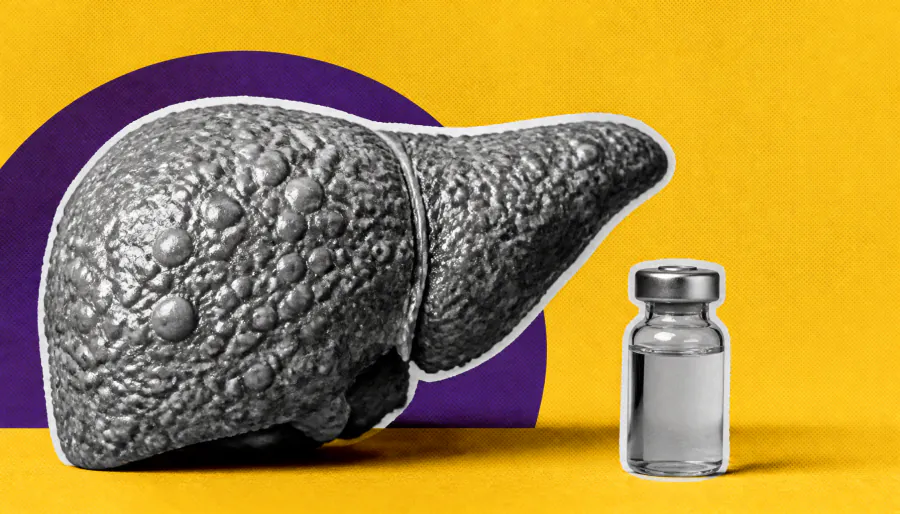
New guidelines tackle cirrhosis head-on. Published in the American Journal of Gastroenterology, the first comprehensive preventive care guidelines for cirrhosis patients lay out 18 recommendations across infection prevention, lifestyle, and complication management. Top priorities include carvedilol or variceal ligation for high-risk esophageal varices, twice-yearly liver cancer screening, and vaccinations for hepatitis A/B, flu, COVID-19, and RSV.
A team led by Dr. Elliot B. Tapper from the University of Michigan has published the first dedicated preventive care guidelines for patients with cirrhosis in the American Journal of Gastroenterology. The guidelines cover 18 recommendations and six key concept statements spanning four domains: prevention of cirrhosis-specific complications, infection prevention, lifestyle factors, and non-liver conditions.
The strongest recommendations focus on protecting patients from the most serious risks — carvedilol or variceal ligation for high-risk esophageal varices, semiannual hepatocellular carcinoma surveillance, and a robust vaccination strategy covering hepatitis A/B, influenza, COVID-19, and RSV. Smoking cessation counseling also made the strong recommendation list.
Key Takeaways:
Why it matters: Cirrhosis patients face a complex web of risks that span multiple specialties. These guidelines give clinicians a unified, actionable roadmap to reduce complications and improve long-term outcomes across diverse care settings.