Curie Brief
Turn on cookies to sign in
Signing in saves your progress to your Curie account. We can only do that with cookies on — turn them on to continue.

When patients stop taking GLP-1 weight-loss medications, the pounds can creep back — but new research suggests structured support may help. A pilot trial found that adults using a wellness app or receiving medically tailored meals gained significantly less weight after stopping GLP-1 receptor agonists compared to those receiving usual care, with both interventions showing roughly 7% less total weight gain.
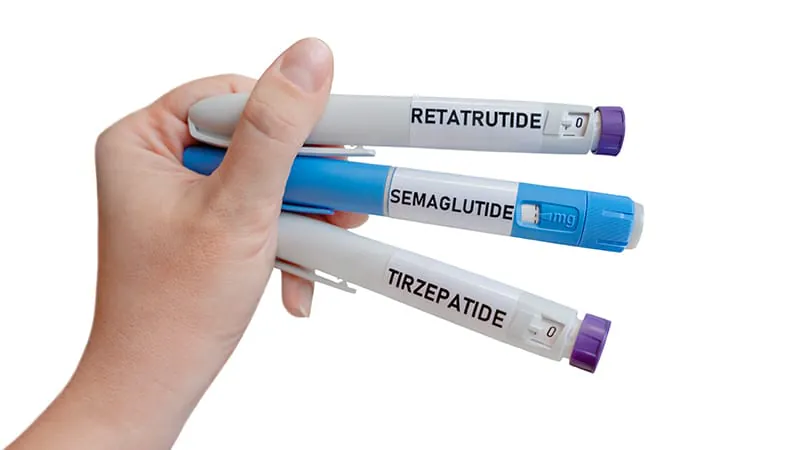
When patients stop taking GLP-1 receptor agonists (GLP-1 RAs) — the blockbuster class of weight-loss drugs — weight regain is a common and frustrating reality. But a new pilot study suggests that structured support interventions could help soften that rebound.
Published in Obesity Science and Practice, the randomized trial from Tufts University enrolled adults who had previously lost weight on GLP-1 RAs and were stopping the medication. Participants were assigned to one of three groups: usual care, a wellness application, or medically tailored meals (MTM).
By the Numbers:
Why it matters: Millions of patients are on GLP-1 medications, and many will eventually stop — whether due to cost, side effects, or supply issues. This early-stage research points to practical, scalable strategies like apps and tailored nutrition that could help patients hold onto their hard-earned health gains after discontinuation.