Curie Brief
Turn on cookies to sign in
Signing in saves your progress to your Curie account. We can only do that with cookies on — turn them on to continue.
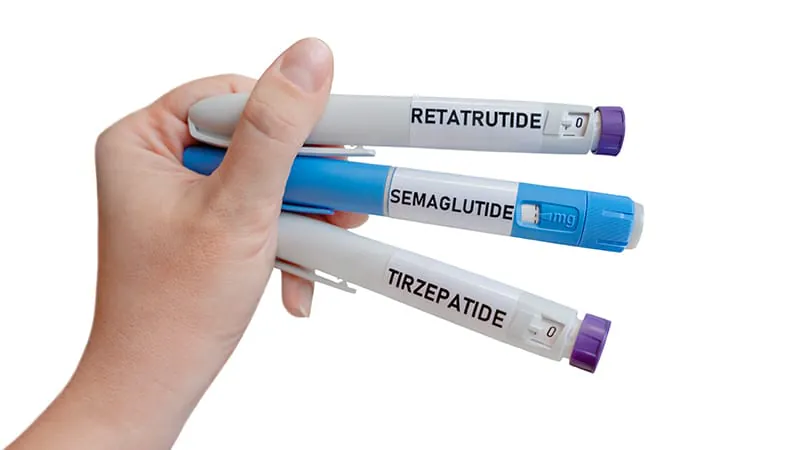
Retatrutide, Eli Lilly's investigational triple agonist, is generating buzz for its phase 3 results showing up to 28.3% weight loss — but can it help patients who've already maxed out on semaglutide or tirzepatide? Experts say the drug's added glucagon receptor activation may offer a new metabolic lever, but caution that no head-to-head "plateau-busting" data exist yet. It also remains unapproved by the FDA.
Retatrutide, Eli Lilly's triple GIP/GLP-1/glucagon receptor agonist, is turning heads in obesity medicine after phase 3 TRIUMPH trials showed average weight loss of up to 28.3% at 80 weeks — numbers historically associated with bariatric surgery. But as the drug edges toward regulatory review, a pressing clinical question is emerging: what happens to patients who've already plateaued on semaglutide or tirzepatide?
Experts say the glucagon receptor component could theoretically break through the "energy expenditure ceiling" that single- and dual-incretin therapies hit over time. By stimulating lipolysis, brown fat thermogenesis, and mitochondrial activity, glucagon agonism may complement GLP-1/GIP's appetite-suppressing effects. However, clinicians urge caution — retatrutide's trials excluded patients on recent weight-loss medications, so there's no direct evidence it reliably reverses plateaus in prior GLP-1 users.
Key Takeaways:
Why it matters: With millions of patients on GLP-1 therapies and many hitting weight-loss ceilings, retatrutide could eventually offer a meaningful next step — but clinicians need real-world transition data before routinely sequencing these agents.