Curie Brief
Turn on cookies to sign in
Signing in saves your progress to your Curie account. We can only do that with cookies on — turn them on to continue.
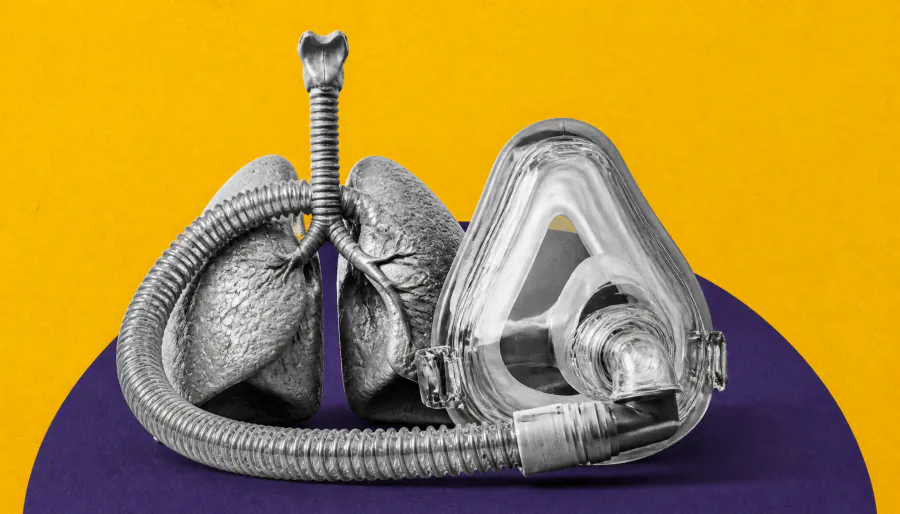
Interstitial lung disease (ILD) and obstructive sleep apnea (OSA) are more intertwined than previously recognized, with each condition worsening the other. At CHEST 2026, Dr. Aneesa Das highlighted how standard screening tools often miss OSA in ILD patients and called for in-lab sleep studies and nocturnal desaturation monitoring. She also stressed the urgent need for endophenotype-driven treatment approaches in the absence of established guidelines.
Interstitial lung disease (ILD) and obstructive sleep apnea (OSA) share a complex, two-way relationship that makes diagnosis and treatment significantly more challenging. At the CHEST 2026 Annual Meeting, Dr. Aneesa Das explained how fibrosis in ILD reduces airway stability, making patients more prone to OSA — while intermittent hypoxia from OSA can, in turn, accelerate lung fibrosis through oxidative stress and inflammation.
A key concern is that standard screening tools like the STOP-BANG questionnaire and BMI-based assessments frequently miss OSA in ILD patients, who often present with a thinner body type. Sleep disruption in this population is also multifactorial, stemming from hypoxemia, chronic cough, and esophageal dysmotility — not just apnea events. Dr. Das recommended in-lab polysomnography as the gold standard and emphasized measuring nocturnal desaturation levels over relying solely on the apnea-hypopnea index.
Key Takeaways:
Why it matters: With such a high overlap between ILD and OSA, clinicians risk undertreating a vulnerable population if they rely on conventional screening alone. Shifting toward individualized, endophenotype-driven care could meaningfully improve outcomes for these patients.