Curie Brief
Turn on cookies to sign in
Signing in saves your progress to your Curie account. We can only do that with cookies on — turn them on to continue.
High blood pressure in kids is easy to miss — but the damage it causes isn't. Affecting 3%–5% of children, pediatric hypertension is often asymptomatic and underdiagnosed, yet it's linked to early coronary artery damage and poor school performance. Experts at the AAP 2026 National Conference urged clinicians to screen routinely, measure carefully, and address lifestyle factors alongside medication.
High blood pressure isn't just an adult problem. Pediatric hypertension affects 3%–5% of children and, if missed, can set kids on a path toward lifelong cardiovascular and cognitive harm. Speaking at the AAP 2026 National Conference, nephrologist Dr. Shoba Narayan stressed that organ damage — including coronary artery lesions and fibrous plaques — begins in childhood, and that hypertension has also been linked to poor school performance and learning disabilities.
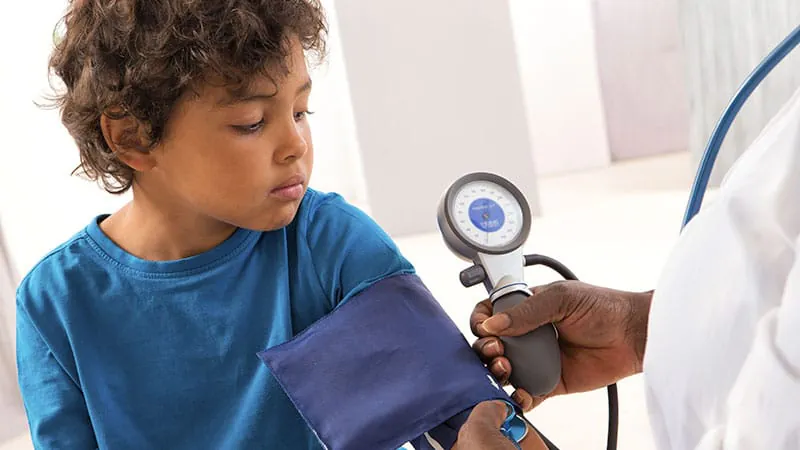
The good news? Much of this is preventable with proper screening and management. The 2017 AAP guidelines recommend annual blood pressure checks starting at age 3, with more frequent monitoring for higher-risk kids (those with obesity, kidney disease, diabetes, or certain medications). Accurate measurement matters too — using the wrong cuff size or skipping the recommended 3–5 minutes of quiet rest before measurement are common pitfalls that lead to false readings.
Key Takeaways:
Why it matters: Catching and treating hypertension early in life could dramatically improve long-term cardiovascular and cognitive outcomes — making routine pediatric blood pressure screening one of the highest-yield interventions in primary care.