Curie Brief
Turn on cookies to sign in
Signing in saves your progress to your Curie account. We can only do that with cookies on — turn them on to continue.
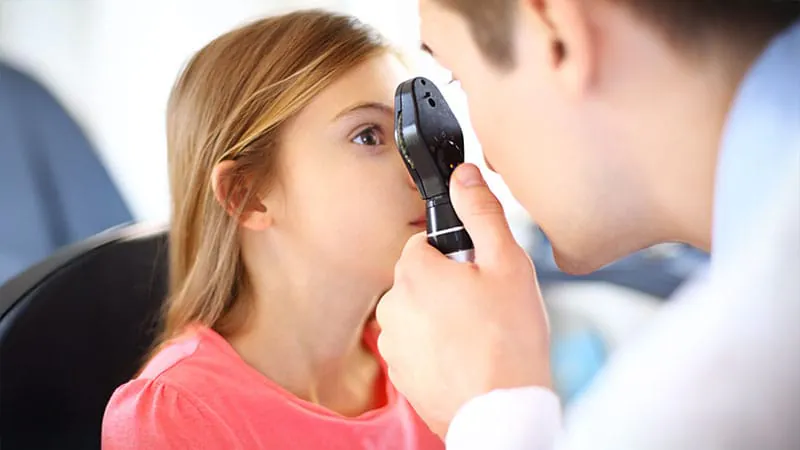
Cortical visual impairment (CVI) is the leading cause of childhood blindness in developed countries — yet it's routinely missed because kids' eyes look perfectly normal. With advances in neonatal care saving more premature and neurologically complex infants, CVI cases are rising. Experts say better functional vision screening, not just eye chart tests, is key to catching it early.
Cortical visual impairment (CVI) — a brain-based condition that disrupts how children process what they see — is the leading cause of childhood visual impairment in the US and other developed countries, yet it remains widely underdiagnosed. Unlike typical eye conditions, CVI often presents with a completely normal eye exam, leading pediatricians and ophthalmologists to miss it. Add in the fact that many affected children have other "front-burner" issues like difficulty walking or speaking, and vision problems frequently fall through the cracks.
The rise of advanced neonatal care is fueling more cases. Babies born as early as 23 weeks are now surviving regularly — but many carry complex neurological needs, including CVI. The condition is linked to hypoxic-ischemic encephalopathy, white matter damage, genetic disorders, and brain bleeds, all of which can disrupt visual processing pathways.
Key Takeaways:
Why it matters: CVI affects every waking moment of a child's life — how they learn, socialize, and navigate the world safely. Identifying it early and tailoring supports accordingly can dramatically change a child's educational trajectory and quality of life.