Curie Brief
Turn on cookies to sign in
Signing in saves your progress to your Curie account. We can only do that with cookies on — turn them on to continue.
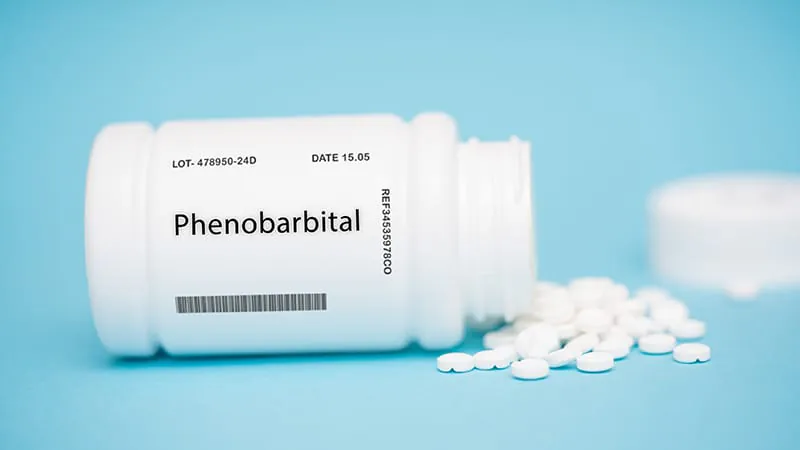
An old drug gets a new vote of confidence. A large observational study published in JAMA Internal Medicine found that phenobarbital performs just as well as diazepam — the decades-long gold standard — for treating alcohol withdrawal syndrome in hospitalized patients. The findings give clinicians more flexibility in choosing between the two drugs without compromising patient outcomes.
An old drug gets a new vote of confidence. A large observational study published in JAMA Internal Medicine found that phenobarbital performs just as well as diazepam — the decades-long gold standard — for treating alcohol withdrawal syndrome in hospitalized patients. Researchers tracked over 24,000 patients across 754 acute care hospitals between 2022 and 2024, finding no significant differences in key outcomes between the two drugs.
The study's lead author, Dr. Nicholas Bosch of Boston University, noted the findings offer reassurance on both ends: hospitals already using phenobarbital can feel confident in their choice, while those sticking with diazepam don't need to feel pressured to switch. Phenobarbital use has surged over 200% from 2016 to 2020, partly driven by clinician frustration with shorter-acting benzodiazepines causing breakthrough symptoms and excessive sedation.
By the Numbers:
Why it matters: Clinicians now have stronger evidence that both drugs are viable options for alcohol withdrawal management — but experts stress that future randomized trials are needed to define optimal dosing, patient selection, and treatment protocols.