Curie Brief
Turn on cookies to sign in
Signing in saves your progress to your Curie account. We can only do that with cookies on — turn them on to continue.
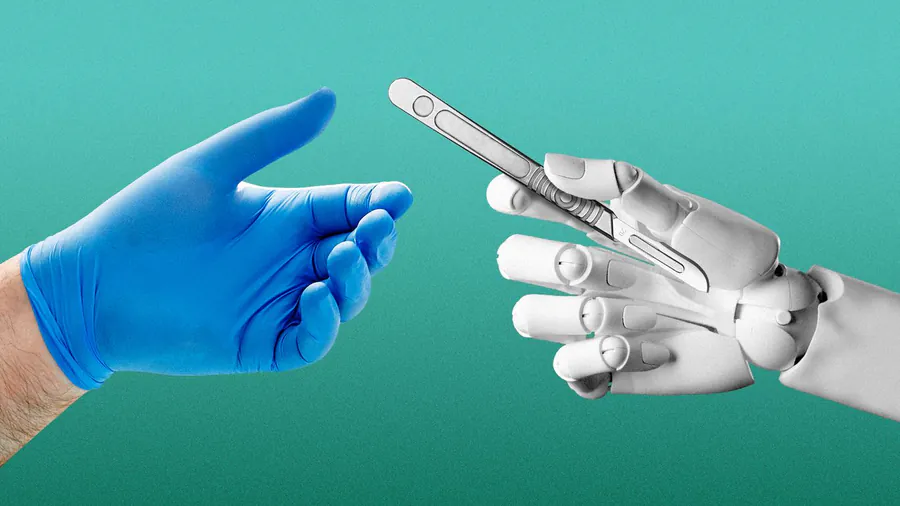
AI's healthcare promise is at risk of going unfulfilled. A new Peterson Health Technology Institute report warns that without coordinated action from government and industry, AI will likely make the U.S. health system more expensive and wasteful — not better. The culprit? A payment and regulatory environment that rewards administrative AI over clinical AI.
AI has enormous potential to transform healthcare — improving patient outcomes, expanding access, and lowering costs. But a new report from the Peterson Health Technology Institute (PHTI) warns that without structural reform, the U.S. is on track to get the worst of AI rather than the best. The core problem: the current system financially rewards administrative AI (think billing and claims management) while clinical AI — the kind that could actually improve care — faces a maze of regulatory, liability, and payment barriers.
The fee-for-service payment model, which dominates U.S. healthcare, is a particularly poor fit for AI. It pays for patient encounters, not for the kind of continuous, scalable, outcome-driven care that AI enables. Meanwhile, administrative AI tools operate largely unregulated and generate revenue for adopters — creating a lopsided incentive structure that prioritizes efficiency gains for payers over benefits for patients.
Key Takeaways:
Why it matters: Without a clear path to reimbursement and smarter regulation, the most promising clinical AI applications may never scale — leaving patients and providers without tools that could meaningfully improve care.