Curie Brief
Turn on cookies to sign in
Signing in saves your progress to your Curie account. We can only do that with cookies on — turn them on to continue.
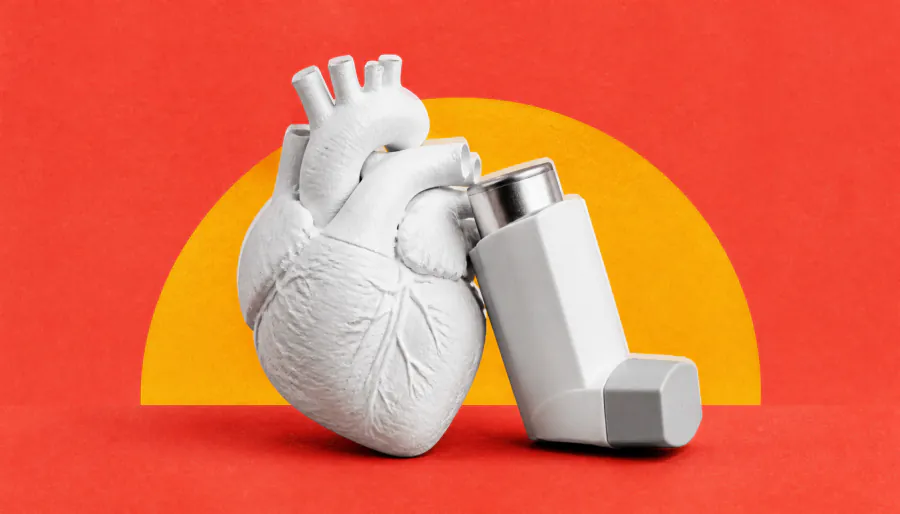
Reaching for your rescue inhaler too often may do more than signal poor asthma or COPD control — it could be hurting your heart. A large Belgian study found that patients using three or more short-acting bronchodilator canisters per year faced significantly higher risks of heart failure, arrhythmia, heart attack, and death. Clinicians are being urged to monitor inhaler overuse and reassess cardiovascular risk in these patients.
Reaching for your rescue inhaler too often may do more than signal poor asthma or COPD control — it could be putting your heart in danger. A large nationwide Belgian cohort study published in ERJ Open Research found that patients with asthma or COPD who used three or more short-acting bronchodilator canisters per year faced significantly elevated risks of heart failure, arrhythmia, myocardial infarction, and all-cause mortality compared to non-users.
The findings were especially striking for short-acting muscarinic antagonist (SAMA) use, both alone and in combination with short-acting beta-agonists (SABA). Notably, these elevated cardiovascular risks were observed even in patients with no prior history of cardiovascular disease — a finding researchers described as "remarkable."
By the Numbers:
Why it matters: These findings send a clear message to primary care and pulmonology clinicians: inhaler overuse isn't just a symptom of poor disease control — it's a cardiovascular red flag. Closer monitoring and proactive cardiovascular risk assessment could save lives.