Curie Brief
Turn on cookies to sign in
Signing in saves your progress to your Curie account. We can only do that with cookies on — turn them on to continue.
A new synthetic opioid called cychlorphine — up to 10 times more potent than fentanyl — is rapidly spreading across the U.S. and has been linked to at least 55 deaths. What makes it especially dangerous: standard drug test strips and hospital urine screens can't detect it. Federal officials are urging first responders to carry extra doses of naloxone and call 911 immediately at any sign of overdose.
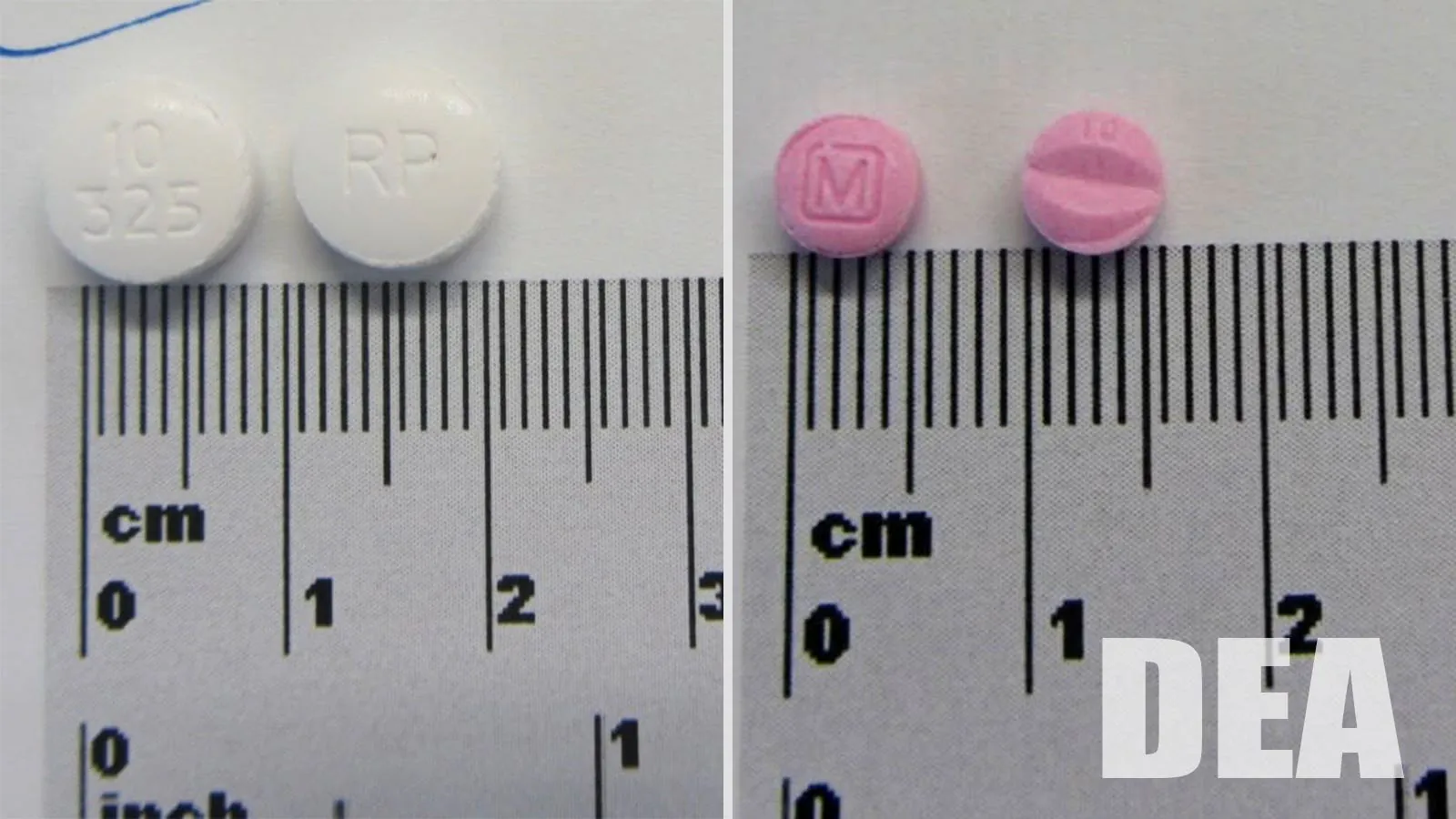
A new synthetic opioid called cychlorphine is quietly spreading through the U.S. illicit drug supply — and it's proving harder to catch than most. The White House Office of National Drug Control Policy (ONDCP) issued a drug threat notice flagging the drug as up to 10 times more potent than fentanyl. Unlike fentanyl, cychlorphine belongs to a newer class of synthetic opioids called orphines, and it's been found both alone and mixed with fentanyl, meth, cocaine, and sedatives — sometimes hidden in counterfeit prescription pills.
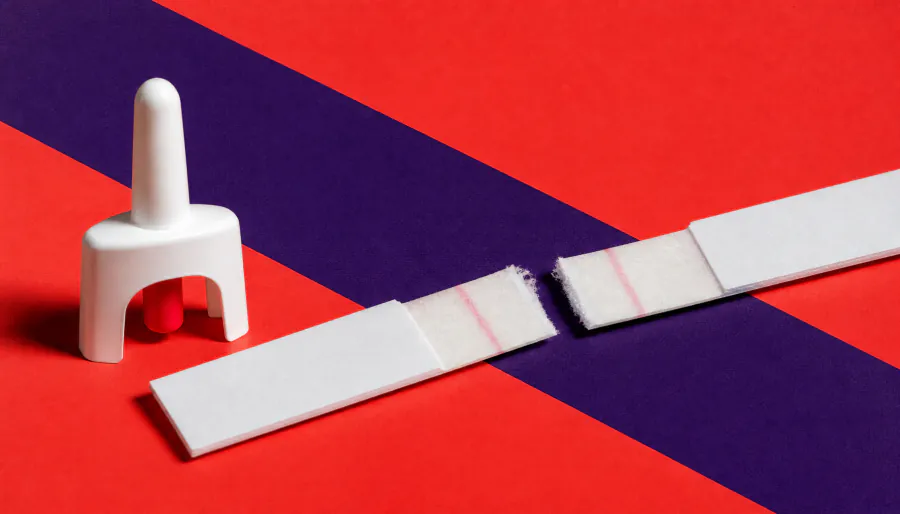
What makes cychlorphine especially alarming is its invisibility to standard testing. Hospital urine screens and fentanyl test strips can't detect it, creating what one Johns Hopkins expert called "a dangerous diagnostic blind spot in emergency care." Confirmatory testing requires specialized lab methods like liquid chromatography-mass spectrometry — costly, time-consuming, and impractical at the bedside. As of March 2026, at least 24 states have reported cychlorphine-involved overdoses or deaths.
By the Numbers:
Why it matters: Naloxone (Narcan) is still expected to work against cychlorphine, but the drug's potency means multiple doses are often needed. With standard tests unable to detect this opioid, clinicians must treat based on clinical signs alone — and deaths are likely being undercounted. Teens face particular risk from counterfeit pills, with only 1 in 3 viewing a pill from someone they know as dangerous.