Curie Brief
Turn on cookies to sign in
Signing in saves your progress to your Curie account. We can only do that with cookies on — turn them on to continue.
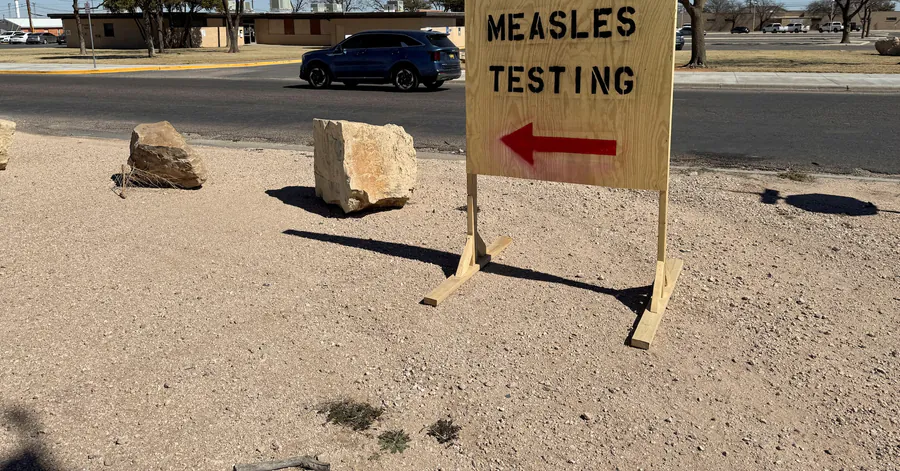
Pennsylvania's measles crisis is escalating fast, with nearly 1,000 cases reported and five deaths — every one of them in unvaccinated individuals. The U.S. has now recorded 3,887 measles cases in 2026, its worst year since 1991. A dispute between state and federal officials over how measles deaths are counted is adding a political wrinkle to an already serious public health emergency.
Pennsylvania is at the epicenter of the worst U.S. measles outbreak in over three decades, with 977 cases reported as of October 2 and five measles-associated deaths — all in unvaccinated individuals. The victims include two infants in Lancaster County (too young to be vaccinated), an 18-year-old in Mifflin County, a 40-year-old woman in Jefferson County, and a fifth unvaccinated Lancaster County resident. These are the state's first measles deaths in 35 years.
Nationally, the U.S. has logged 3,887 measles cases in 2026 — the highest single-year total since 1991. The surge has been fueled by declining vaccination rates, parental waivers, healthcare access gaps, and widespread vaccine misinformation. A federal-state rift has further complicated the response: the CDC has officially confirmed only two measles-related deaths nationwide, diverging from Pennsylvania's count of five, due to a disagreement over how such deaths are defined and classified.
By the Numbers:
Why it matters: The U.S. eliminated measles in 2000, but that status is now under serious threat. With a formal review of U.S. measles elimination status scheduled for November, the ongoing outbreak — compounded by political disputes over death counts and declining vaccine confidence — underscores the urgent need for coordinated public health action.