Loading Curie Briefs...
Getting the latest healthcare news for you
Getting the latest healthcare news for you

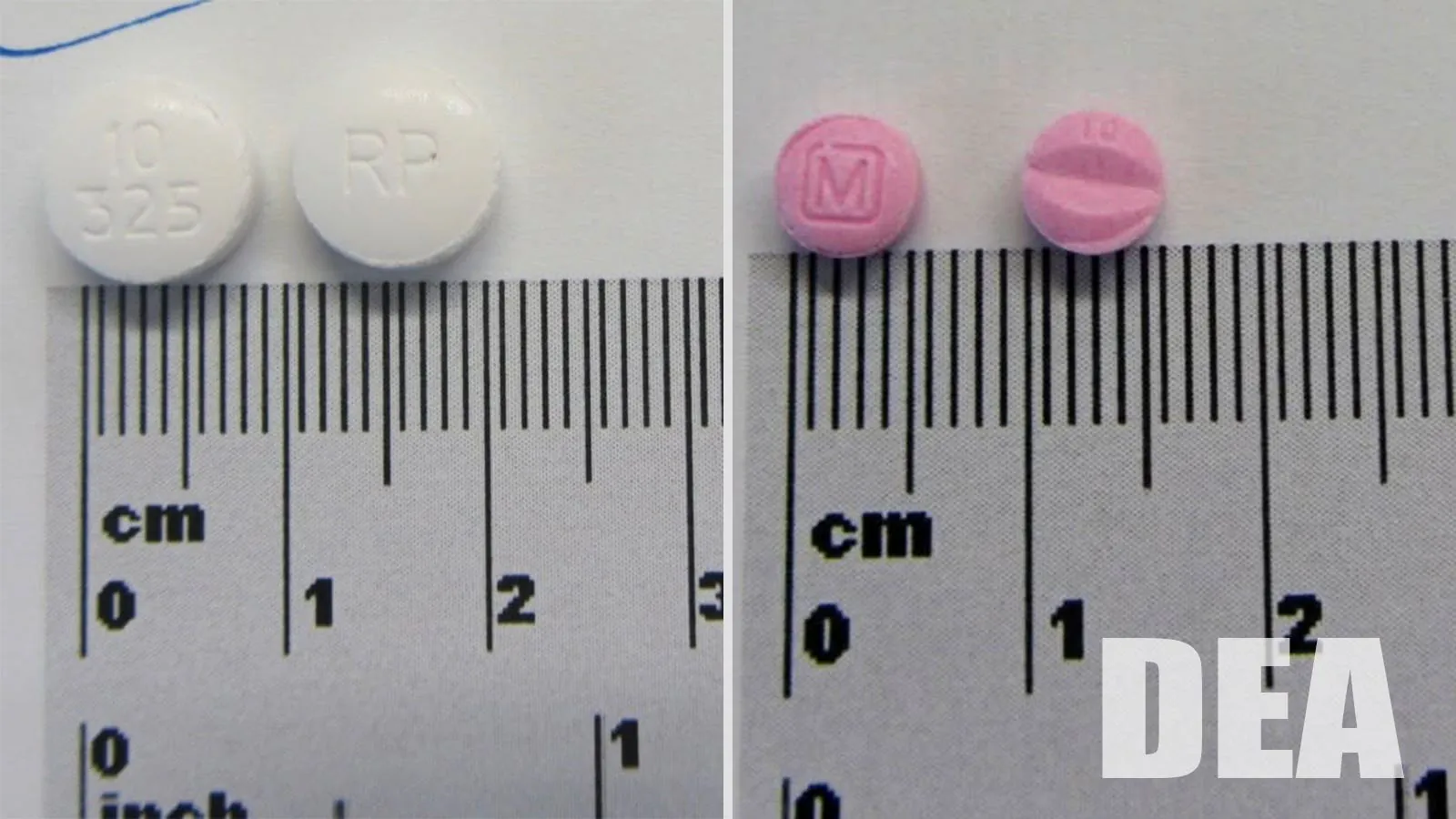
A new synthetic opioid called cychlorphine is quietly spreading across the U.S., linked to at least 55 deaths nationally since 2025. Potentially up to 10 times more potent than fentanyl, it often goes undetected on standard drug screens. Experts urge clinicians to treat suspected opioid overdoses with naloxone even when screens come back negative.
A dangerous new synthetic opioid — cychlorphine — has emerged on U.S. streets, and most clinicians have never heard of it. Belonging to a class called orphines (structurally related to brorphine and chlorphine), the drug surfaced between mid-2024 and late 2025, largely as drug traffickers pivoted after China restricted nitazenes. It's been found in powders, tablets, and counterfeit pills, and is commonly snorted, inhaled, or ingested orally.
What makes cychlorphine especially alarming is how little is known about it — its human potency, duration of action, metabolism, and brain penetration are all still unclear. It frequently appears alongside other substances like fentanyl and xylazine, and standard toxicology screens often miss it entirely, complicating both diagnosis and treatment.
By the Numbers:
Why it matters: Cychlorphine's extreme potency, rapid spread, and near-invisibility on standard drug screens make it a serious emerging threat. Clinicians should maintain a high index of suspicion for novel synthetic opioids and administer naloxone whenever opioid overdose is suspected — regardless of what the tox screen shows.