Turn on cookies to sign in
Signing in saves your progress to your Curie account. We can only do that with cookies on — turn them on to continue.
A bold new hypothesis flips allergy science on its head. Researchers at Griffith University analyzed the largest multi-omic allergy dataset to date and found that allergic diseases may originate from an energy failure in barrier cells — not a misfiring immune system. If confirmed, this could reshape how we treat conditions like eczema, food allergies, and asthma.
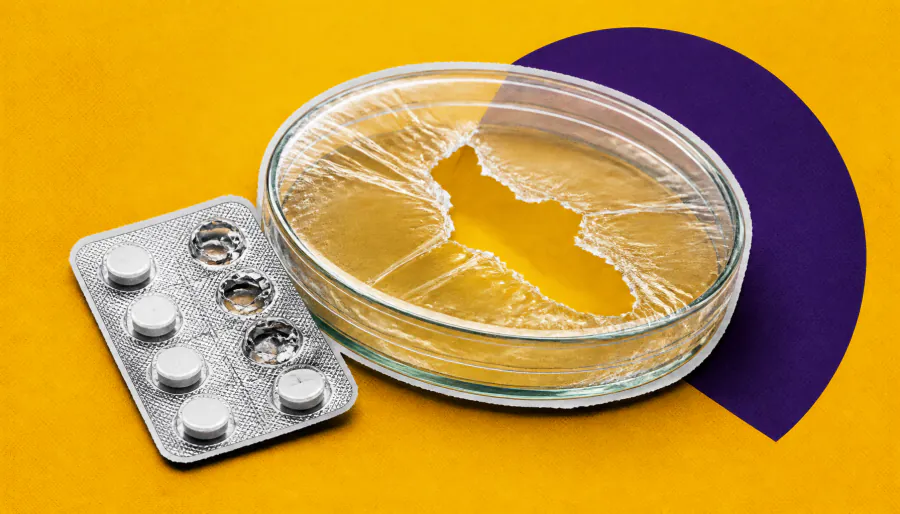
For 60 years, the prevailing view has been that allergies begin with an overactive immune system, with barrier breakdown as a downstream consequence. A new hypothesis from Griffith University's Professor Peter Smith flips that script entirely — suggesting the real culprit may be an energy crisis inside the epithelial cells that form the body's protective barriers (skin, gut, lungs, nose, and esophagus).
The team analyzed what they believe is the largest multi-omic allergy dataset ever assembled — spanning 116 case-control cohorts and over 3,700 patients — and found consistent evidence of impaired mitochondrial recycling (mitophagy) in patients with eosinophilic esophagitis, as well as barrier and antioxidant abnormalities in eczema patients. The theory: when barrier cells can't generate enough energy to handle modern environmental stressors, they trigger the immune alarm we recognize as an allergic response.
Key Takeaways:
Why it matters: If validated, this framework could finally explain the dramatic rise in allergies within a single generation — and open the door to treatments that target the actual origin of disease rather than just managing its symptoms.