Turn on cookies to sign in
Signing in saves your progress to your Curie account. We can only do that with cookies on — turn them on to continue.
Researchers at St. Jude Children's Research Hospital have figured out why DNA insulators make gene therapy for X-SCID safer — not just that they do. By mapping hundreds of gene integration sites, they found insulators act like a protective wall, keeping the inserted gene from disrupting nearby DNA. The team also built a machine-learning model to predict which integration sites may need closer monitoring in patients.
Scientists at St. Jude Children's Research Hospital have uncovered the mechanism behind a key safety feature in gene therapy for X-linked severe combined immunodeficiency (X-SCID) — a rare condition where children are born without a functioning immune system. The therapy, which uses an engineered lentivirus to deliver a corrective gene into patients' DNA, has been in use since 2019, with no cases of treatment-linked leukemia reported. But until now, researchers didn't fully understand why the DNA insulators added to the therapy were so effective.
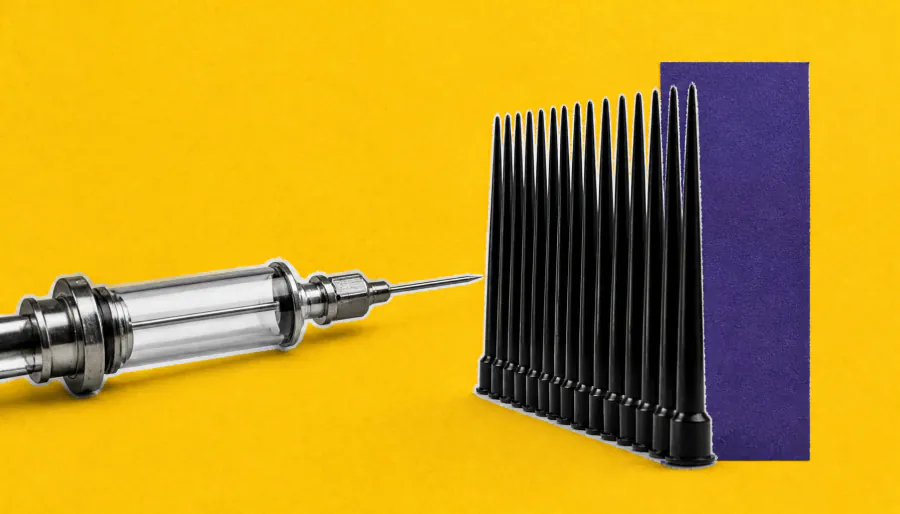
By mapping 329 gene integration sites, the team found that insulators create a physical 3D boundary in the genome — acting like a wall that prevents the inserted gene from "spilling over" and activating nearby cancer-driving genes. They also found that the direction of gene insertion relative to neighboring genes plays a significant role in safety risk.
Key Takeaways:
Why it matters: These findings give scientists a blueprint for designing the next generation of gene therapies with built-in safety features — a critical step toward making curative gene therapies more broadly viable and trustworthy.