Turn on cookies to sign in
Signing in saves your progress to your Curie account. We can only do that with cookies on — turn them on to continue.
Sjögren's disease is getting some long-overdue treatment attention. A year-two extension study of ianalumab showed deepening responses over time, while a separate phase III trial of dazodalibep cleared its primary endpoint with a statistically significant edge over placebo. Both drugs target different immune pathways, and both still have hurdles to clear before FDA approval becomes a reality.
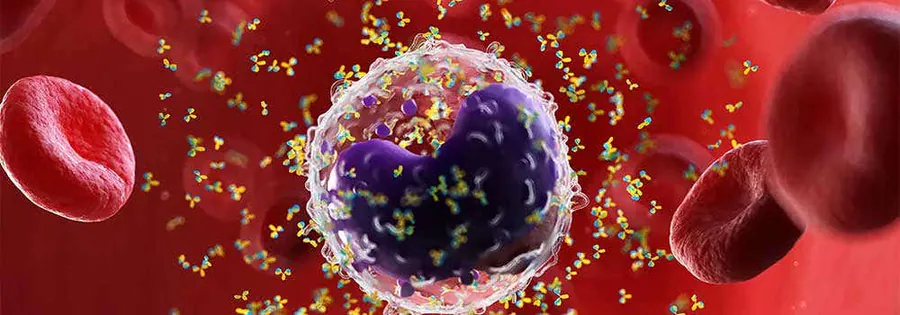
Sjögren's disease — a chronic autoimmune condition causing debilitating dryness and systemic inflammation — may finally be on the cusp of new treatment options. Two investigational drugs presented at the American College of Rheumatology annual meeting are showing meaningful, if still modest, progress.
Ianalumab (Novartis), which targets B-cell activating factor (BAFF) and directly depletes B cells, showed continued improvement in a 60-week open-label extension beyond its initial 48-week phase III trials. The proportion of patients achieving a clinically meaningful response rose from 58.9% at week 48 to 68.4% at week 108, and nearly one-quarter reached full clinical remission. A third placebo-controlled phase III trial is now underway, focused on patients with higher symptom burden to better demonstrate efficacy.
Dazodalibep (Amgen), a CD40L antagonist, cleared its first phase III trial with statistically significant reductions in disease activity scores versus placebo — and notably, with a cleaner safety profile than placebo. A second confirmatory trial is expected to wrap up soon.
Why it matters: Sjögren's disease affects millions — predominantly women — and currently has no FDA-approved disease-modifying therapies. These two drugs, targeting distinct immune mechanisms, represent the most advanced pipeline the field has seen, offering real hope for patients who've had few options beyond symptom management.