Turn on cookies to sign in
Signing in saves your progress to your Curie account. We can only do that with cookies on — turn them on to continue.
The North American Spine Society (NASS) has updated its coverage recommendations for spinal cord stimulation (SCS), setting stricter criteria for patient eligibility. Candidates must have moderate-to-severe chronic spine pain lasting at least 6 months, pass a psychological evaluation, and not be surgical candidates. A successful 72-hour trial — defined as ≥50% pain reduction plus functional improvement — is now required before permanent implantation.
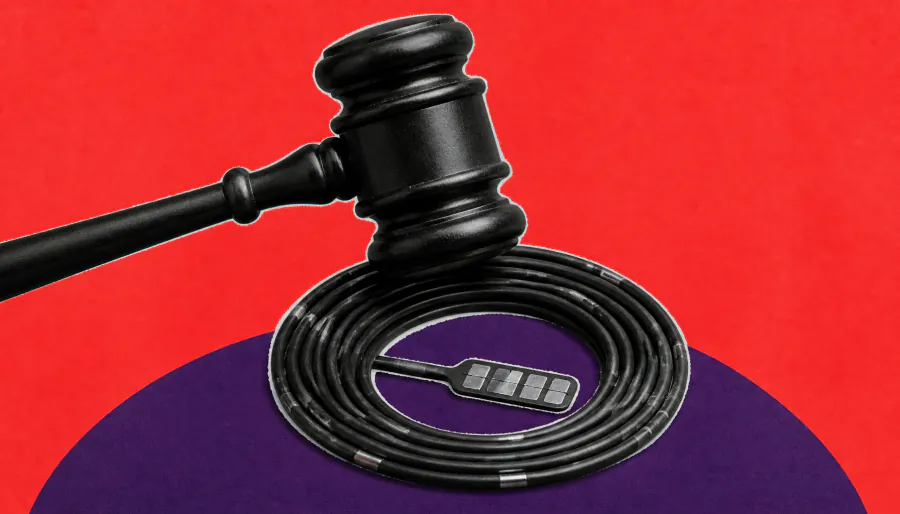
The North American Spine Society (NASS) has released revised coverage recommendations for spinal cord stimulation (SCS), offering clearer guidance on when the therapy is appropriate for patients with chronic spine-related pain who aren't candidates for surgery. The updated guidelines draw on both industry-sponsored and independent research, including a 2024 systematic review published in JAMA Network Open that linked SCS to reduced pain and improved quality of life at 6 months compared to other medical management approaches.
The new criteria are notably stricter. To be considered for a trial, patients must have moderate-to-severe axial or extremity pain persisting for at least 6 months, have undergone a psychological evaluation clearing them of untreated addiction or psychological disorders, and have exhausted surgical options — either because surgery isn't appropriate or the patient declines it. Only those who complete a successful 72-hour trial (≥50% pain reduction plus functional improvement) can move forward with permanent implantation.
Key Takeaways:
Why it matters: These revised guidelines help physicians navigate coverage decisions more confidently and ensure SCS is used at the right point in a patient's care journey — not too early, and not as a substitute for more appropriate treatments.