Turn on cookies to sign in
Signing in saves your progress to your Curie account. We can only do that with cookies on — turn them on to continue.
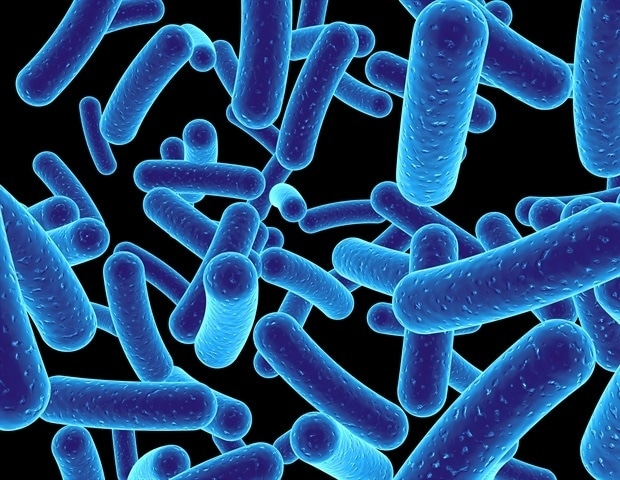
New Stanford research reveals that not all antimicrobial peptides fight bacteria the same way — and the slower ones may actually be more powerful. Scientists found that slow-acting peptides are better at penetrating dense bacterial biofilms, which are notoriously hard to treat. The discovery could reshape how next-generation antibiotics are designed to tackle drug-resistant infections.
When it comes to fighting bacterial infections, speed isn't everything. A new Stanford study published in Nature Microbiology shows that antimicrobial peptides — protein fragments found on virtually all living things and a key part of the immune system's first line of defense — come in two distinct classes, each with different battle strategies.
Fast-acting peptides quickly punch holes in bacterial cell membranes and flood individual cells, making them effective against isolated bacteria. But in dense bacterial communities called biofilms — the culprits behind many chronic, hard-to-treat infections — this speed backfires. The peptides get used up by the first cells they encounter, leaving deeper bacteria untouched. Slow-acting peptides, by contrast, diffuse gradually without permanently breaching membranes, allowing them to spread further into biofilms and neutralize entire bacterial populations.
Key Takeaways:
Why it matters: With antibiotic resistance posing a growing global threat, understanding how antimicrobial peptides work at the cellular level opens a new design playbook for next-generation antibiotics — ones that could finally crack the code on stubborn, drug-resistant biofilm infections.