Turn on cookies to sign in
Signing in saves your progress to your Curie account. We can only do that with cookies on — turn them on to continue.
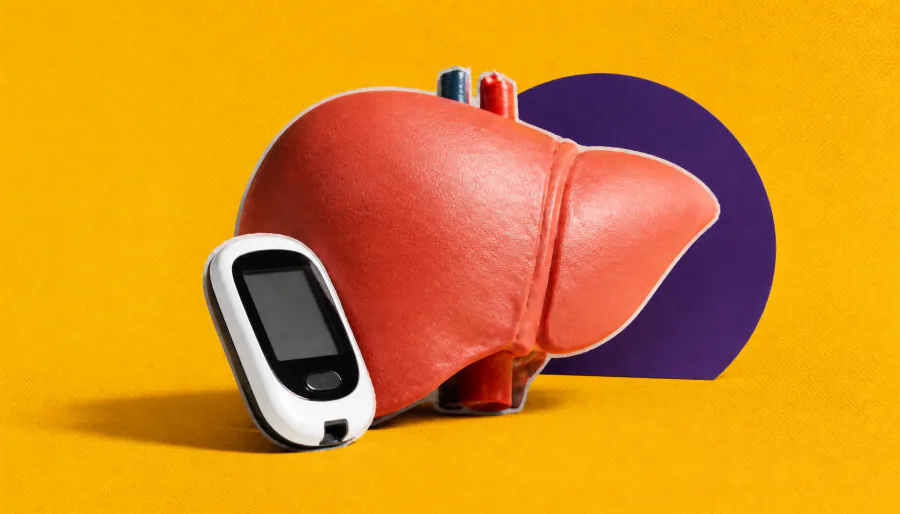
A new clinical trial found that the ketogenic diet dramatically outperformed Mediterranean and low-fat diets in reducing liver fat and reversing prediabetes — even when all three groups lost the same amount of weight. After just four to five months, keto slashed liver fat by 67% and helped half of participants exit the prediabetes range. Diet composition, not just calories, appears to matter for metabolic health.
A rigorous clinical trial published in Cell Metabolism has found that a ketogenic diet delivers significantly greater metabolic benefits than Mediterranean or low-fat diets for people with obesity, prediabetes, and fatty liver disease — even when weight loss is matched across all groups. Researchers at Washington University School of Medicine supplied all meals to 42 participants and ensured roughly 10% body weight loss over four to five months, achieving over 95% dietary adherence across all groups.
While all three diets improved insulin sensitivity in skeletal muscle by about 50%, the keto group stood out in liver-specific outcomes. Keto participants showed two-to-three times greater improvement in hepatic insulin sensitivity, and their liver fat dropped by 67% compared to 45% in the other groups. Notably, despite consuming 73% of calories from fat, keto participants showed no worsening of LDL cholesterol, apolipoprotein B, or triglyceride levels.
By the Numbers:
Why it matters: These findings challenge the "a calorie is a calorie" assumption and suggest that for patients with fatty liver disease and prediabetes, carbohydrate restriction may offer therapeutic benefits beyond weight loss alone — an important consideration as GLP-1 medications become the go-to tool for obesity management.