Turn on cookies to sign in
Signing in saves your progress to your Curie account. We can only do that with cookies on — turn them on to continue.
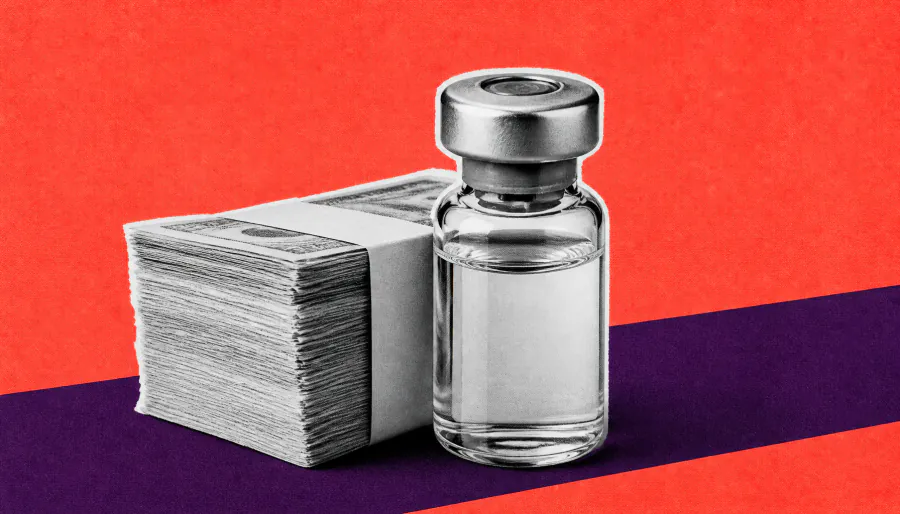
Scaling back rotavirus vaccine recommendations could undo 20 years of public health gains, a new study warns. Researchers project that even a modest 10% drop in infant vaccination rates could trigger thousands more hospitalizations and ER visits annually. The financial toll? Up to $103.5 million in extra healthcare costs — per birth cohort.
A new study published in JAMA Network Open is sounding the alarm over changes to the CDC's rotavirus vaccine guidance. Since 2006, the CDC has recommended routine rotavirus vaccination for all infants. But in January 2026, federal officials shifted the recommendation to "shared decision-making" — a move critics say could quietly erode vaccination rates and undo decades of hard-won progress against a disease that once sent hundreds of thousands of children to the hospital each year.
Researchers at Washington University in St. Louis modeled what would happen if infant vaccination rates dropped by 10%, 20%, or 30% as a result of the policy shift. The findings are stark: even the most conservative scenario spells significantly more sick kids and strained healthcare systems. The American Academy of Pediatrics has already sued to reinstate the original guidance, and a federal judge temporarily blocked the changes.
By the Numbers:
Why it matters: These aren't just numbers — they represent real children getting sicker and real dollars being drained from an already stretched healthcare system. With each new birth cohort, the burden compounds, making the stakes of this policy decision higher with every passing year.