Turn on cookies to sign in
Signing in saves your progress to your Curie account. We can only do that with cookies on — turn them on to continue.
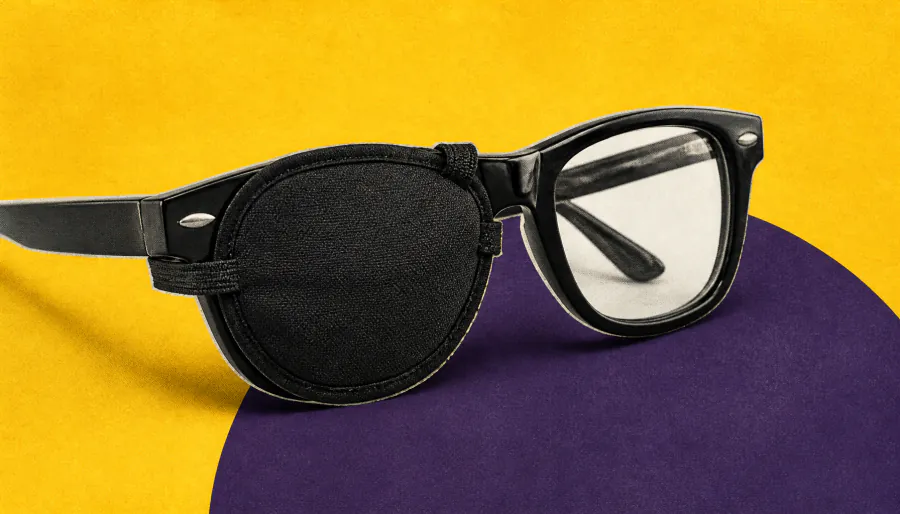
Children with deprivation amblyopia from pediatric cataracts struggle significantly with eye-related quality of life, and their parents carry a heavy emotional burden too. A new study found that while kids themselves may not fully report the impact, parents' worry scores were dramatically lower than those of parents with healthy children. The findings highlight a broader burden than seen in other pediatric eye conditions.
Children aged 11 and under who develop deprivation amblyopia following pediatric cataract surgery face significant reductions in eye-related quality of life (ER-QOL) — and their parents aren't faring much better. A new study published in the Journal of the American Association for Pediatric Ophthalmology and Strabismus assessed 53 children with deprivation amblyopia and 182 normal-vision controls, along with their parents, using validated questionnaires (PedEyeQ tools).
The results showed that children with deprivation amblyopia scored significantly worse across social functioning, functional vision, frustration, and vision-related bother compared to peers with normal vision. Notably, proxy (parent-reported) scores were consistently worse than child self-reports, suggesting kids may underestimate their own difficulties.
Key Takeaways:
Why it matters: Compared to other pediatric eye conditions, the combined disease- and treatment-related burden of early visual deprivation appears broader and more substantial — making it critical for clinicians to address both the child's and family's psychosocial well-being as part of comprehensive care.