Turn on cookies to sign in
Signing in saves your progress to your Curie account. We can only do that with cookies on — turn them on to continue.
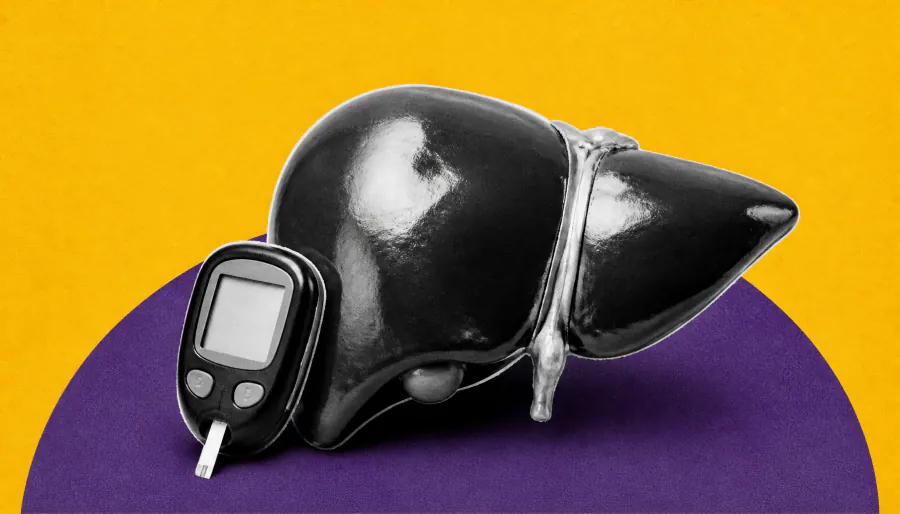
Cirrhosis isn't just for older adults anymore. A new study finds that adults under 50 who develop MASLD-related cirrhosis carry a unique combo of high genetic risk and type 2 diabetes — and standard screening tools are missing nearly a third of them. Researchers say it's time for age-aware care pathways that go beyond the FIB-4 index.
Cirrhosis from metabolic dysfunction-associated steatotic liver disease (MASLD) is showing up earlier than expected — and a new prospective study explains why. Among 2,395 adults with biopsy-confirmed MASLD, researchers found that those who developed cirrhosis before age 50 shared a distinct profile: high genetic risk scores (driven by variants in PNPLA3, TM6SF2, and HSD17B13) and type 2 diabetes were independently associated with early-onset disease.
The trouble? Current screening tools aren't catching these patients. About 30% of younger adults with cirrhosis had a FIB-4 score below 1.3 — the standard threshold for further testing — meaning the widely used, age-dependent tool is falling short in this population.
By the Numbers:
Why it matters: As MASLD rates rise in younger populations, relying on age-dependent tools like FIB-4 risks leaving high-risk patients undetected. Integrating simple genetic risk scores with metabolic markers could enable earlier, more targeted intervention — before irreversible liver damage sets in.