Turn on cookies to sign in
Signing in saves your progress to your Curie account. We can only do that with cookies on — turn them on to continue.
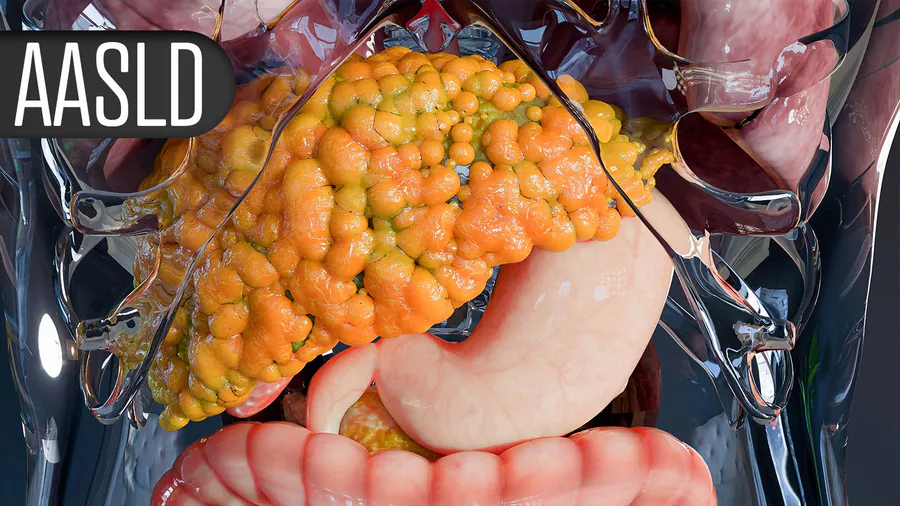
The debate over statins in cirrhosis is far from settled. The phase III SACRED trial found that simvastatin nearly — but not quite — significantly reduced hepatic decompensation and liver cancer in compensated cirrhosis patients. A large observational study presented the same week adds to the growing body of evidence suggesting statins may lower decompensation risk and overall mortality.
The debate over statins in cirrhosis is far from settled. The phase III SACRED trial tested simvastatin in patients with high-risk compensated cirrhosis across 11 VA medical centers, finding that 8.97% of statin users developed serious liver complications (ascites, hepatic encephalopathy, variceal hemorrhage, or hepatocellular carcinoma) versus 18.75% on placebo — a clinically meaningful difference that just missed statistical significance (P=0.064). Overall survival also didn't differ significantly between groups. Researchers note the data still hint at real benefit, particularly for liver cancer prevention, and confirm that statins are safe in this population.
Adding context, a large observational study of over 18,000 cirrhosis patients presented the same week found statin use was associated with an 18.2% vs. 22.7% cumulative incidence of hepatic decompensation, and a 14.6% vs. 21.2% cumulative mortality rate — both statistically significant. Researchers hope that combining SACRED data with results from the upcoming RESCU trial of rosuvastatin will help clarify the role of statins in cirrhosis management.
By the Numbers
Why it matters: There are currently no approved therapies to prevent hepatic decompensation — the critical turning point in cirrhosis progression. While SACRED fell just short of its primary endpoint, the consistent signal across both trial and real-world data keeps statins firmly in the conversation as a potential preventive strategy.