Turn on cookies to sign in
Signing in saves your progress to your Curie account. We can only do that with cookies on — turn them on to continue.
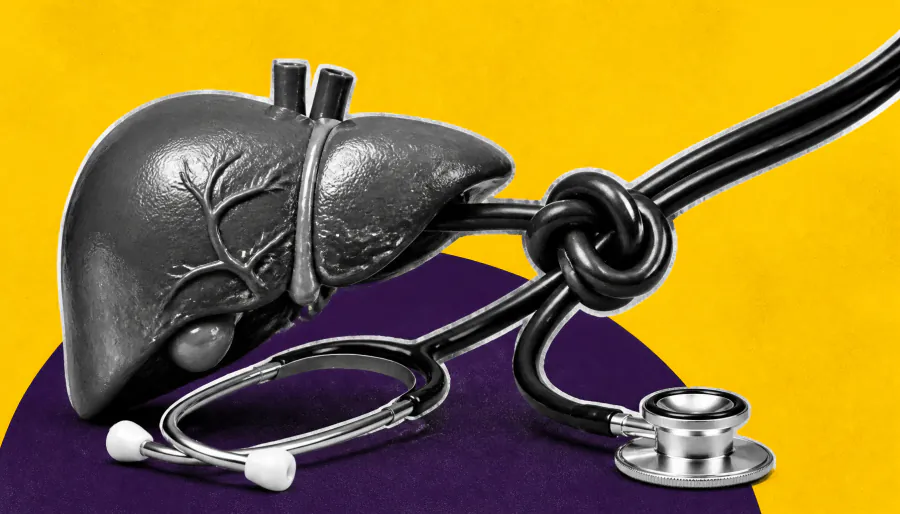
Of nine risk scores tested in patients with steatotic liver disease, the SAFE score edged out the competition for predicting cirrhosis — but none could reliably flag who's headed for liver cancer. A large study of over 850,000 veterans found that while SAFE offers a modest advantage for cirrhosis risk, the field still has a long way to go for hepatocellular carcinoma (HCC) screening.
Steatotic liver disease (SLD) affects roughly one in three American adults, but most won't develop serious complications. The challenge? Figuring out who will. A large cohort study published in JAMA Internal Medicine, led by Yale's Dr. Catherine Mezzacappa, put nine clinical risk scores head-to-head to see which best predicts cirrhosis and hepatocellular carcinoma (HCC) in over 853,000 U.S. veterans with imaging-confirmed SLD.
The verdict: the Steatosis-Associated Fibrosis Estimator (SAFE) score came out on top for cirrhosis prediction — but only by a modest margin. For HCC, none of the nine scores cleared the bar needed to guide screening decisions under current clinical guidelines.
By the Numbers:
Why it matters: Better risk stratification could help clinicians tailor monitoring intensity — sparing low-risk patients from unnecessary testing while catching high-risk ones earlier. But for HCC screening in noncirrhotic SLD patients, the search for a reliable tool is far from over.