Turn on cookies to sign in
Signing in saves your progress to your Curie account. We can only do that with cookies on — turn them on to continue.
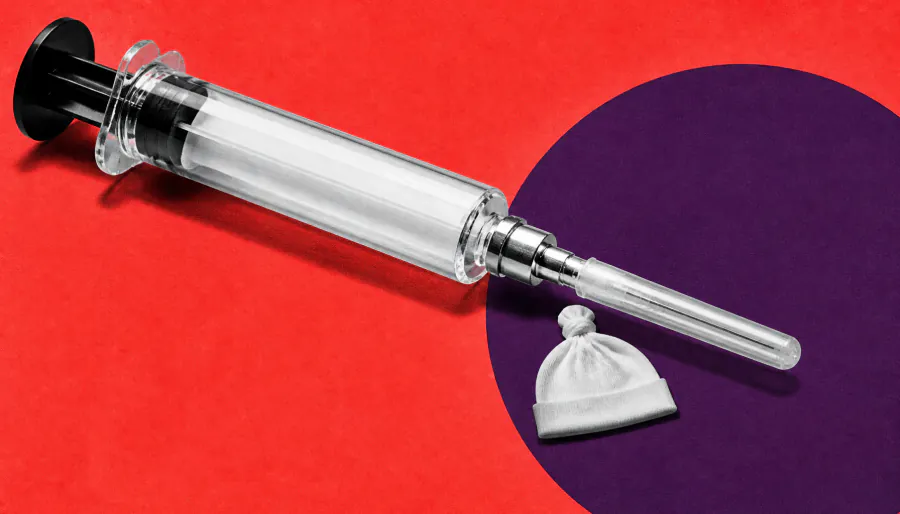
More parents are skipping the vitamin K shot for their newborns, and the consequences are alarming. Two new studies published in JAMA and JAMA Pediatrics found that vitamin K nonreceipt more than doubled from 2017 to 2025, while vitamin K deficiency bleeding events quadrupled. Experts warn that skipping this simple shot can lead to brain bleeds, permanent neurological damage, or even death.
More parents are opting out of the vitamin K shot for their newborns — and two new studies show the fallout is very real. Analyzing data from over 5 million and 11 million U.S. infants respectively, researchers found that vitamin K nonreceipt more than doubled between 2017 and 2025 (from 3.1% to 6.8%), while vitamin K deficiency bleeding events quadrupled. The AAP has recommended the intramuscular vitamin K shot for all newborns since 1961, calling it a simple, safe intervention to prevent a rare but potentially catastrophic condition.
Experts point to anti-vaccine sentiment, concerns about overmedicalization of childbirth, and eroded trust in healthcare post-COVID-19 as likely drivers — though the trend was already rising before the pandemic. Infants who didn't receive vitamin K had a 47% higher relative risk of a bleeding event in their first 6 months, and a more than twofold higher risk of intracranial bleeding.
By the Numbers:
Why it matters: Vitamin K deficiency bleeding is rare but devastating — it can cause strokes, permanent brain damage, and death. As refusal rates climb, pediatricians are being urged to have clear, empathetic conversations with families, and researchers suggest the U.S. may need to consider harm-reduction strategies like offering oral vitamin K as an alternative.