Turn on cookies to sign in
Signing in saves your progress to your Curie account. We can only do that with cookies on — turn them on to continue.
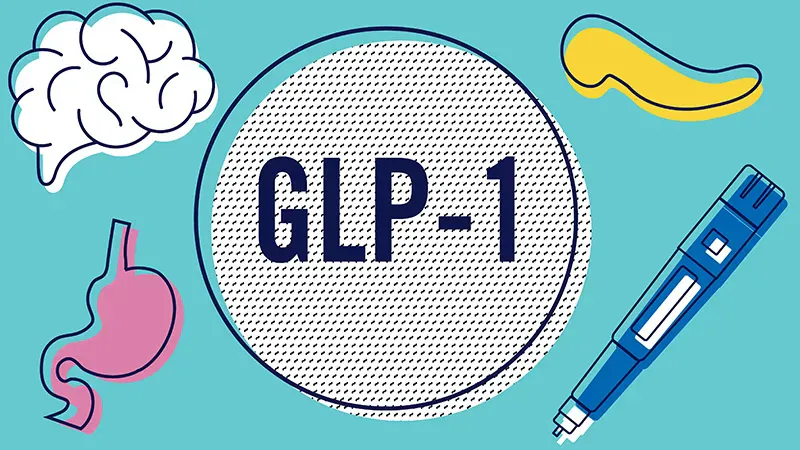
Most people regain weight fast after stopping GLP-1 drugs — but a new pilot study suggests structured support can help. Adults who used a digital wellness app or received dietitian-designed meal deliveries gained significantly less weight in the four months after stopping GLP-1 therapy compared to those receiving usual care. Both interventions cut monthly weight gain from nearly 3% down to under 1%.
Quitting a GLP-1 medication often means watching the scale creep back up — fast. Most people regain at least half their lost weight within a year, with the steepest rebound in the first 3–4 months. A new pilot trial from Tufts University tested whether low-burden, non-drug interventions could blunt that early rebound.
Researchers randomly assigned 39 adults who had lost over 10% of their body weight on GLP-1 therapy — and stopped the drug within the past 30 days — to usual care, a self-directed digital wellness app, or weekly home-delivered dietitian-designed meals. Over four months, both intervention groups gained significantly less weight than the usual care group, with similar results for each approach (~7% less total weight gain).
By the Numbers:
Why it matters: As GLP-1 prescriptions soar — and so do discontinuation rates — clinicians need practical, scalable strategies to support patients after they stop. These findings suggest that simple, affordable tools like apps and meal delivery could serve as cost-effective bridges, either as alternatives or complements to long-term pharmacotherapy.