Turn on cookies to sign in
Signing in saves your progress to your Curie account. We can only do that with cookies on — turn them on to continue.
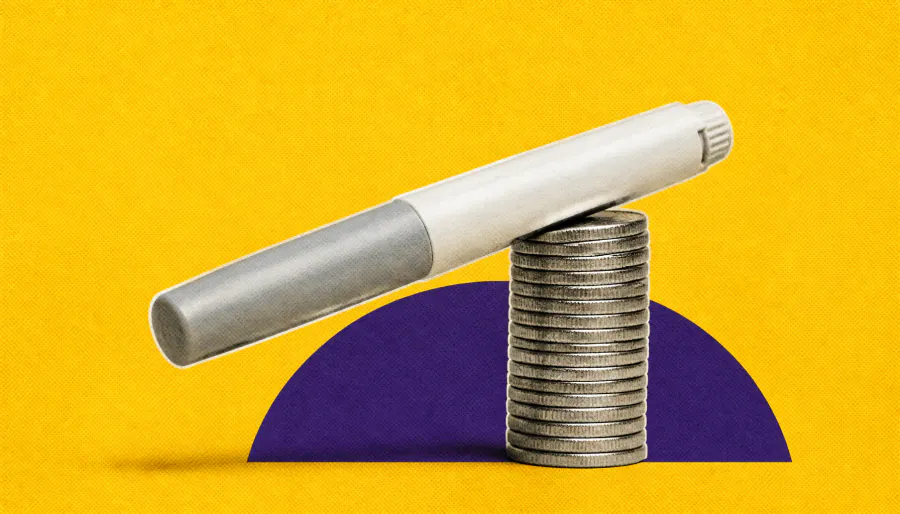
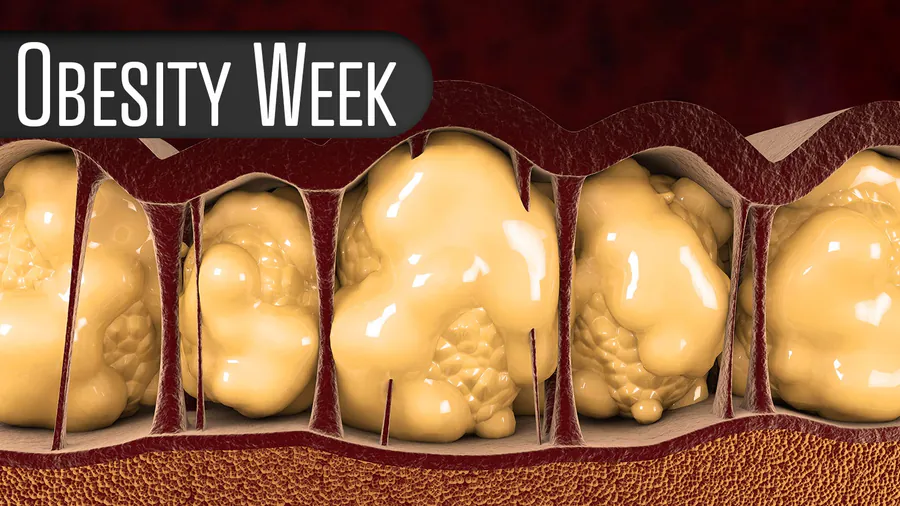
GLP-1s prove their worth in the military. A new analysis presented at ObesityWeek found that semaglutide and tirzepatide are highly cost-effective at the negotiated prices used by the U.S. Military Health System — which covers over 9 million people. Tirzepatide in particular stood out, with an incremental cost-effectiveness ratio of just $698 per quality-adjusted life-year for adults aged 18–64.
GLP-1s are pulling their weight — financially speaking. A new analysis presented at ObesityWeek found that both semaglutide and tirzepatide are highly cost-effective at the discounted prices negotiated for the U.S. Military Health System (MHS), which covers more than 9 million active-duty service members and their families. Obesity rates in this population have surged — from 8% in 2002 to 23% in 2023 among active-duty personnel — and GLP-1 medication use has jumped from 0.56% (2018–2022) to 5.5% (2023–2024).
Using a validated Markov cohort model, researchers simulated long-term health outcomes — including type 2 diabetes, cardiovascular disease, and kidney disease — against a drug cost of $3,000/year and a willingness-to-pay threshold of $100,000 per QALY. The results were striking, especially for tirzepatide in younger adults.
By the Numbers:
Why it matters: These findings push back against the narrative that GLP-1s are budget-busters. By factoring in long-term savings from prevented disease, the MHS analysis suggests that coverage of these drugs could actually save money — and health systems nationwide may want to take note.