Turn on cookies to sign in
Signing in saves your progress to your Curie account. We can only do that with cookies on — turn them on to continue.
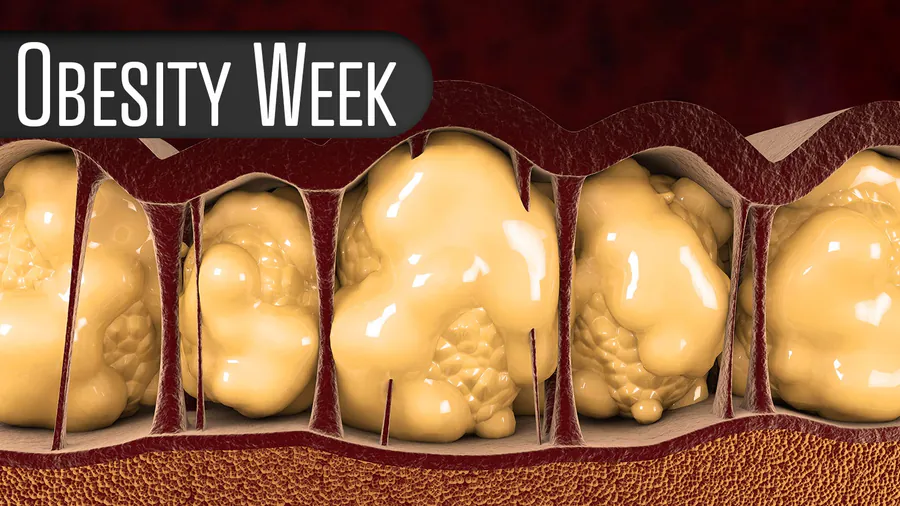
The phase III SURMOUNT-ADOLESCENTS trial found that once-weekly tirzepatide (Zepbound) cut BMI by an average of 18.5% in adolescents with obesity over 72 weeks — compared to a 0.5% increase with placebo. More than half of teens on the drug no longer met the clinical threshold for obesity by week 72. Growth and pubertal development appeared unaffected during the trial.
Tirzepatide, the dual GLP-1/GIP receptor agonist already approved for adult obesity, has now shown striking results in adolescents. The phase III SURMOUNT-ADOLESCENTS trial — presented at ObesityWeek and published simultaneously in JAMA — enrolled 160 teens aged 12–17 with obesity or overweight plus at least one weight-related complication. After 72 weeks, those on once-weekly tirzepatide (up to 15 mg) achieved an 18.5% mean BMI reduction versus a 0.5% increase with placebo. Crucially, 53.5% of tirzepatide-treated participants dropped below the clinical obesity threshold (BMI <95th percentile), compared to just 7.1% on placebo.
Beyond BMI, tirzepatide improved waist circumference, blood pressure, triglycerides, glycemic markers, and lipid profiles. Importantly, height and pubertal progression remained on track — a key safety signal for a pediatric population. Gastrointestinal side effects were common (81.5% vs. 54.9% on placebo) but mostly mild to moderate, and 9.3% of tirzepatide recipients discontinued due to adverse events.
Key Takeaways:
Why it matters: Adolescent obesity is notoriously difficult to treat with behavioral interventions alone. These results — rivaling adult trial outcomes — could pave the way for tirzepatide's approval in teens, expanding a rapidly evolving pharmacological toolkit for pediatric obesity management.