Turn on cookies to sign in
Signing in saves your progress to your Curie account. We can only do that with cookies on — turn them on to continue.
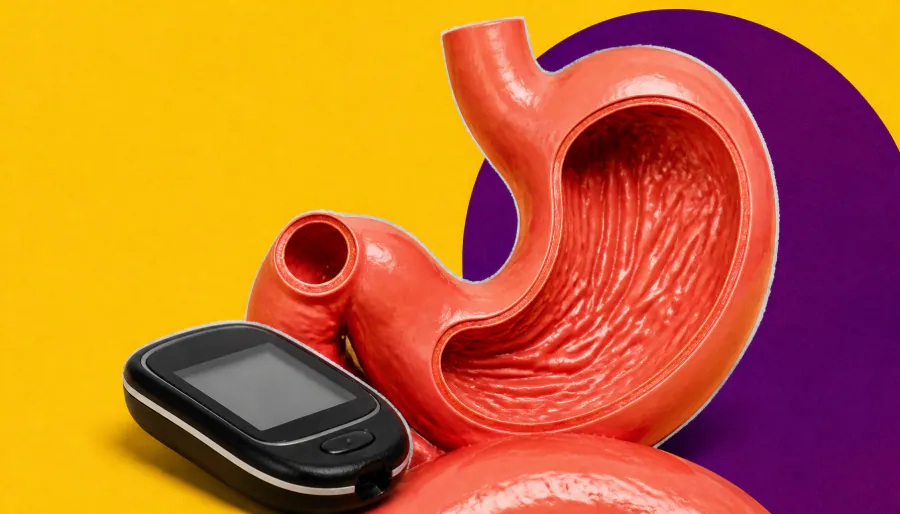
A new mathematical model from the University of Waterloo suggests that vitamin C consumed with or after meals could help block the formation of potentially cancer-causing compounds in the stomach. These compounds, called nitrosation products, form when nitrates and nitrites from processed meats and some produce react during digestion. The findings could help explain why not all nitrate-containing foods carry equal cancer risk.
Researchers at the University of Waterloo have developed a mathematical model suggesting that vitamin C could interfere with a cancer-linked chemical process in the stomach. When we eat foods containing nitrates and nitrites — think bacon, salami, or even some fruits and vegetables grown in polluted soil — these compounds can undergo a reaction called nitrosation during digestion, potentially producing harmful substances tied to cancer risk.
The model simulates how nitrates and nitrites travel through the salivary glands, stomach, small intestine, and bloodstream, and found that vitamin C consumed alongside or after these foods may significantly reduce nitrosation. This could help explain why nitrate-rich vegetables like spinach — which also naturally contain vitamin C — don't seem to carry the same cancer risks as processed meats.
Key Takeaways:
Why it matters: This research offers a potential mechanistic explanation for long-standing inconsistencies in diet-cancer studies and could guide more targeted clinical trials on nutritional strategies to reduce cancer risk during digestion.