Turn on cookies to sign in
Signing in saves your progress to your Curie account. We can only do that with cookies on — turn them on to continue.
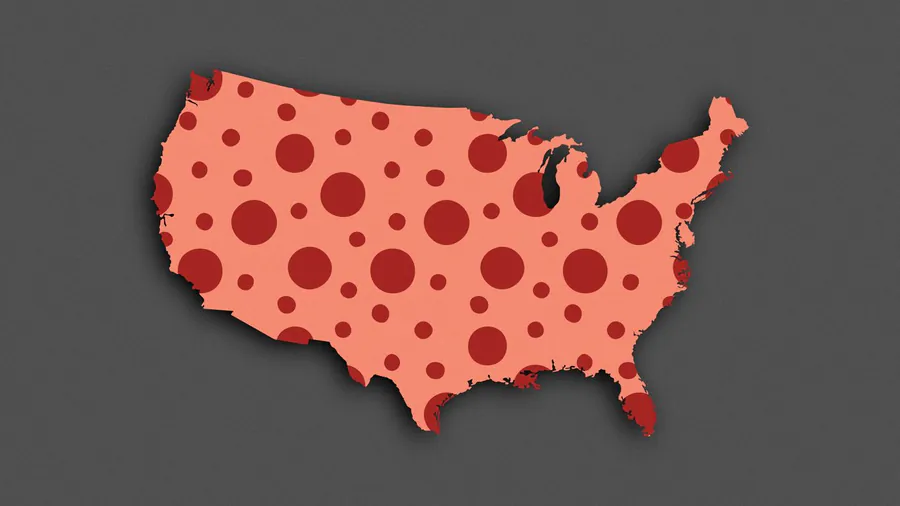
Measles is back — officially. The Pan American Health Organization has stripped the U.S. of its measles elimination status after the same strain circulated for more than 12 months, pushing case counts to their highest level in 35 years. Vaccine skepticism, federal misinformation, and funding cuts have all fueled the surge, with over 5,400 confirmed cases so far this year.
Measles is now endemic in the U.S. — and it's official. The Pan American Health Organization (PAHO) has formally stripped the United States of its measles elimination status, following a three-day expert panel meeting in Washington, D.C. The decision came after the same measles strain circulated continuously for more than 12 months — the key threshold for losing elimination status. Public health experts point to rising vaccine skepticism, anti-vaccine messaging from federal officials, and cuts to outbreak response funding as major drivers of the crisis.
The U.S. now joins Canada and the United Kingdom, both of which lost their elimination status over the past year. While the designation is largely symbolic, it signals that measles has become endemic, spreading freely among unvaccinated communities. Major outbreaks have hit West Texas, the Utah-Arizona border, South Carolina, and Pennsylvania — where over 1,500 cases and six deaths have been recorded.
By the Numbers:
Why it matters: Beyond the immediate health toll, measles can suppress the immune system long-term, leaving survivors more vulnerable to other infections. Some infants infected this year may develop serious neurological disease years later — making this a public health crisis with consequences that will unfold for decades.