Turn on cookies to sign in
Signing in saves your progress to your Curie account. We can only do that with cookies on — turn them on to continue.
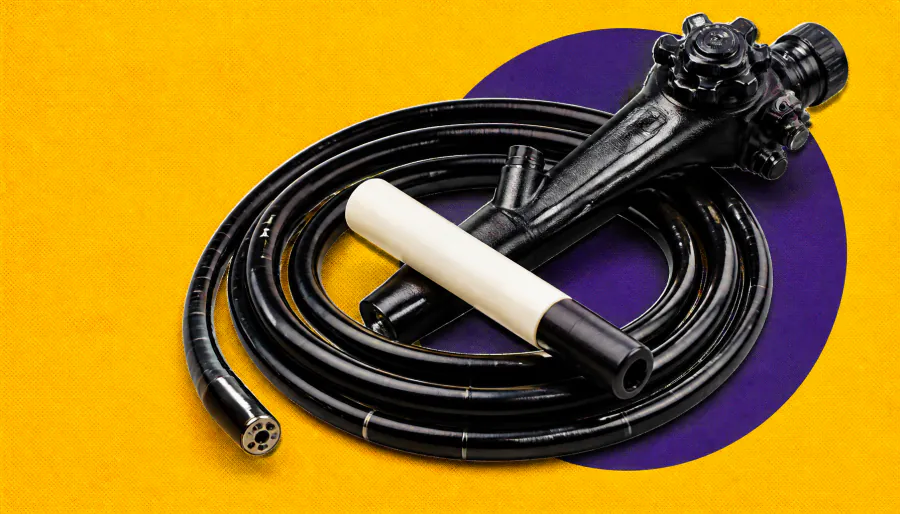
Eosinophilic esophagitis (EoE) is on the rise in the U.S. and is frequently misdiagnosed as food allergy, leading to years of delayed care. Two new studies show EoE prevalence has jumped 7-fold since 2009, and patients often endure multiple ER visits before getting the right diagnosis. Experts say earlier endoscopy and closer collaboration between allergists and gastroenterologists are key.
Eosinophilic esophagitis (EoE) — a chronic immune-mediated condition of the esophagus — is being increasingly misdiagnosed as food allergy, leaving patients without proper treatment for years. Two studies presented at the ACAAI Annual Scientific Meeting highlight both the diagnostic challenge and the surging prevalence of EoE across the U.S.
In a retrospective review of 29 patients, researchers found that EoE was initially misidentified as recurrent food-induced anaphylaxis. Patients averaged 3.24 ED visits and nearly one epinephrine administration before receiving the correct diagnosis — a process that took a mean of 5.5 years. The key issue: routine allergy tests don't detect EoE; esophageal biopsies are required. Without timely diagnosis, the risk of fibrostenotic stricture increases by 9% per year.
A second large-scale analysis using Epic Cosmos data (300M+ patients, 1990–2024) confirmed EoE is becoming far more common, particularly among men and those with multiple allergic conditions.
By the Numbers:
Why it matters: As EoE becomes more prevalent, the cost of misdiagnosis — in patient suffering, unnecessary ER visits, and long-term esophageal damage — grows. Clinicians need to keep EoE on the radar when patients present with recurrent swallowing difficulties after eating, even if a food allergy diagnosis is already in place.