Turn on cookies to sign in
Signing in saves your progress to your Curie account. We can only do that with cookies on — turn them on to continue.
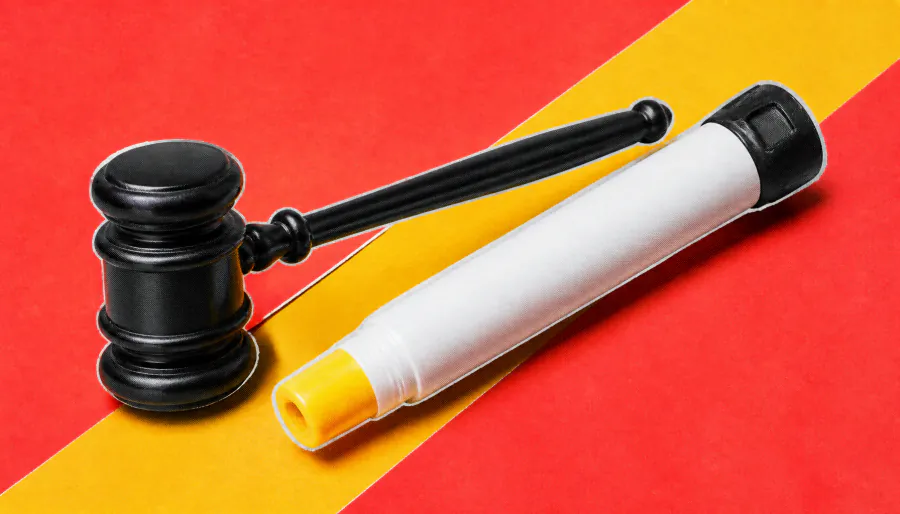
Most schools are prepared for allergic emergencies, but not all. A national survey of school nurses found that 87.3% of schools keep epinephrine on site, yet 10% reported emergencies where it wasn't available — 4.4x more likely in schools without stock programs. Researchers are calling for wider adoption of stock epinephrine mandates to close the gap.
Most schools stock epinephrine — but critical gaps remain
A national survey of school nurses, presented at the ACAAI Annual Scientific Meeting, found that 87.3% of schools keep epinephrine on site — a reassuring majority, but not universal. With food allergies affecting roughly 8% of children, access to emergency epinephrine in schools is a life-or-death issue. Currently, only 10 states mandate stock epinephrine, while many schools rely on students bringing their own devices — a costly and administratively burdensome requirement for families.
The survey polled 1,847 school nurses across the U.S. (349 responses from 31 states) and found that most schools rarely needed to use their supply. But when emergencies did arise without stock epinephrine on hand, the consequences were stark.
By the Numbers
Why it matters: Stock epinephrine programs offer a cost-effective safety net, especially for students whose families can't afford or manage personal autoinjectors. Broader mandates could prevent life-threatening gaps in care.