Turn on cookies to sign in
Signing in saves your progress to your Curie account. We can only do that with cookies on — turn them on to continue.
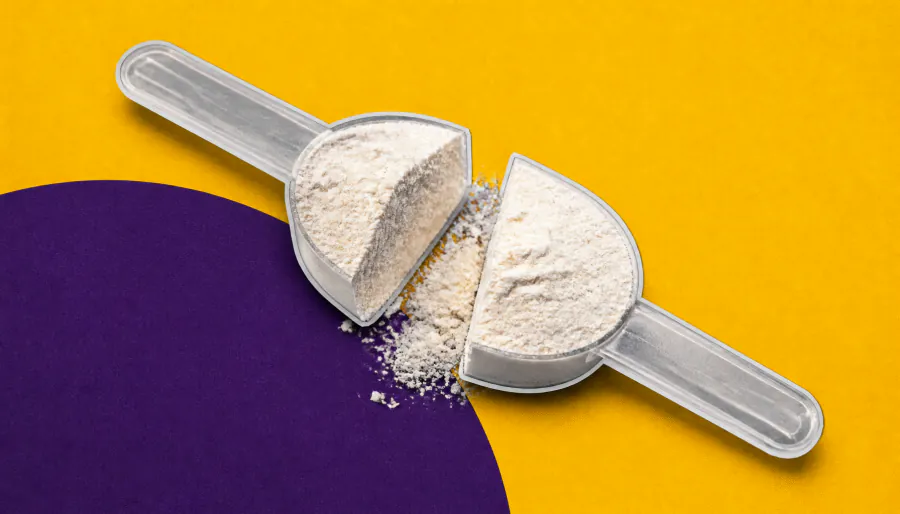
The high-protein craze may be doing more harm than good — at least for sedentary adults. A sweeping review of 350+ studies found that cutting back on protein could slow biological aging, boost metabolism, and potentially extend lifespan. Researchers say most sedentary adults are eating far more protein than they need, and personalized recommendations based on age and activity level are long overdue.
The high-protein craze may be doing more harm than good — at least for sedentary adults. A major review of more than 350 studies, published in Cell Press Blue, found that reducing protein intake may slow biological aging, improve metabolic health, and — under certain conditions — extend lifespan. Researchers from the University of Wisconsin-Madison identified six key mechanisms behind these benefits, including improved insulin sensitivity, reduced cellular senescence, better mitochondrial function, and favorable epigenetic changes.
The findings raise questions about recently updated U.S. dietary guidelines that nearly doubled the recommended daily protein intake to 1.2–1.6 g/kg of body weight. While higher protein clearly benefits athletes and older adults at risk of muscle loss, the review suggests that most sedentary people may be consuming far more than their bodies can productively use — and that excess may carry real metabolic costs.
Key Takeaways:
Why it matters: As protein gets added to everything from cereal to bottled water, this review is a timely reminder that more isn't always better. Personalized, activity-based protein recommendations could reshape dietary guidance and help prevent metabolic disease at a population level.