Turn on cookies to sign in
Signing in saves your progress to your Curie account. We can only do that with cookies on — turn them on to continue.
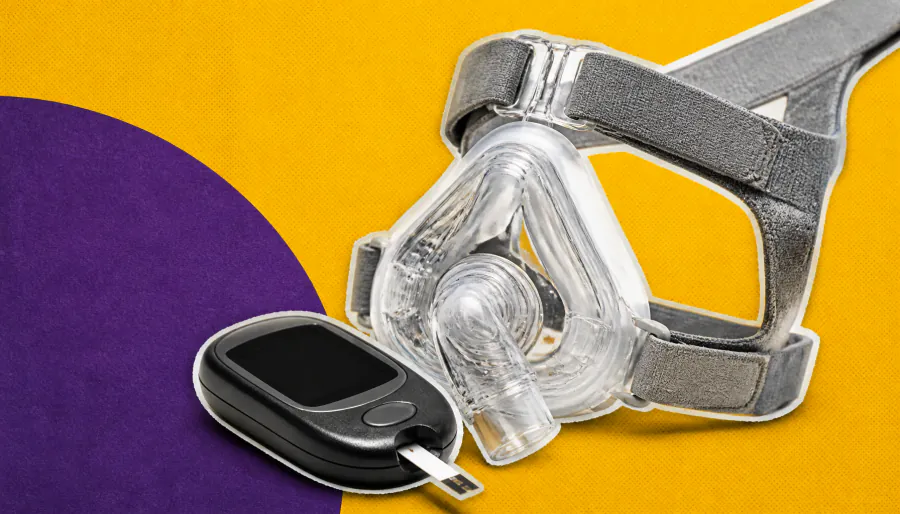
Older adults with long-standing type 1 diabetes face a heavy burden of sleep problems, including a high risk for obstructive sleep apnea (OSA) and poor sleep quality, according to a new study in Diabetes Care. Higher long-term blood sugar levels and diabetes-related complications were key drivers. Researchers say more objective sleep studies are urgently needed in this population.
A new cross-sectional study published in Diabetes Care reveals that sleep disturbances are remarkably prevalent among older adults living with long-standing type 1 diabetes (T1D). Drawing on data from nearly 1,000 participants in the ongoing EDIC study — with an average age of 64 and over 40 years of diabetes duration — researchers found that nearly two-thirds were at intermediate or high risk for obstructive sleep apnea (OSA), and over 40% reported poor sleep quality.
Higher glycemic exposure was a significant culprit: every 1% rise in current HbA1c was linked to 30% higher odds of elevated OSA risk. Diabetes complications, including cardiovascular autonomic neuropathy, neuropathic pain, and kidney disease, were also independently tied to worse sleep outcomes.
By the Numbers:
Why it matters: Sleep problems in T1D are often overlooked, yet they can worsen glycemic control and overall health. These findings highlight the need for routine sleep screening in older T1D patients and underscore how tightly diabetes management and sleep health are intertwined.