Turn on cookies to sign in
Signing in saves your progress to your Curie account. We can only do that with cookies on — turn them on to continue.
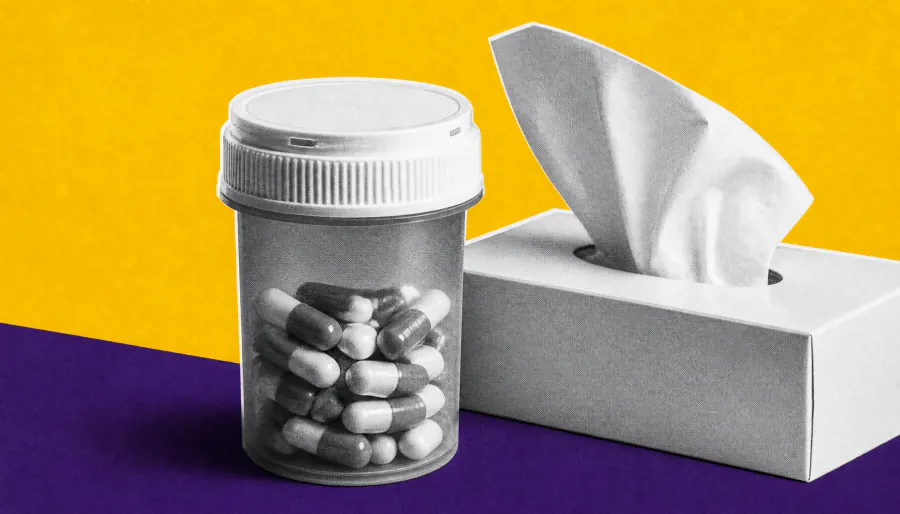
Faking symptoms for a prescription is more common than you'd think. Two new JAMA Network Open surveys found that nearly 28% of adults and 27% of caregivers have misrepresented symptoms to obtain antibiotics — and roughly 77–87% of them walked away with a prescription. Cold-like symptoms were the most commonly misrepresented, and few patients expressed regret about bending the truth.
More than 1 in 4 Americans misrepresent symptoms to get antibiotics — and most succeed
Two surveys published in JAMA Network Open reveal a troubling pattern in outpatient antibiotic prescribing: nearly 28% of adults and 27% of caregivers admitted to misrepresenting symptoms — either by exaggerating or outright fabricating them — to obtain antibiotics. The studies, led by Alistair Thorpe, PhD, of the University of Utah, surveyed 959 adults and 236 caregivers, finding that cold-like symptoms were the most commonly misrepresented (65.7%), followed by stomach and joint/muscle symptoms.
The motivations ranged from feeling genuinely sick to believing antibiotics were the only solution, wanting to return to work faster, and feeling that clinicians don't take their concerns seriously. Fewer than 30% of those who misrepresented symptoms said they regretted it — and most succeeded in getting a prescription.
By the Numbers
Why it matters: Symptom misrepresentation undermines antibiotic stewardship efforts and contributes to antimicrobial resistance — a growing global health threat. Experts say the findings highlight the need for stronger patient-clinician communication and clearer public messaging about when antibiotics are — and aren't — appropriate.