Turn on cookies to sign in
Signing in saves your progress to your Curie account. We can only do that with cookies on — turn them on to continue.
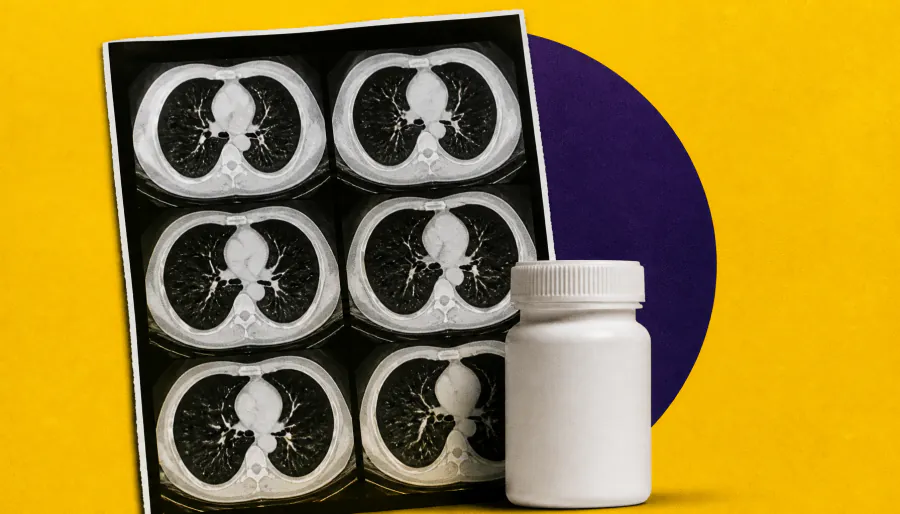
An AI-driven lung imaging tool is stepping into the clinical trial spotlight. Qureight's Fibr8™ quantitative imaging biomarker has been selected as a secondary endpoint in Contineum Therapeutics' PROPEL-IPF Phase 2 trial, evaluating the drug PIPE-791 in idiopathic pulmonary fibrosis (IPF) patients. The tool measures fibrosis on CT scans to complement traditional lung function testing.
Qureight's Fibr8™, an AI-powered quantitative imaging biomarker, has been tapped as a secondary endpoint in Contineum Therapeutics' PROPEL-IPF Phase 2 clinical trial. The trial is evaluating PIPE-791 — a once-daily oral drug targeting the lysophosphatidic acid receptor 1 (LPAR1) — in patients with idiopathic pulmonary fibrosis (IPF), a progressive and often fatal lung disease with limited treatment options.
While Forced Vital Capacity (FVC) remains the primary endpoint — a standard measure of lung function — Fibr8™ adds a structural layer by quantifying fibrosis visible on High-Resolution CT (HRCT) scans. The goal is to capture both functional and imaging-defined changes, potentially building the evidence base for CT imaging as a validated endpoint in future antifibrotic drug development.
By the Numbers
Why it matters: If successful, this approach could reshape how IPF trials are designed — moving beyond lung function tests alone to directly measure structural disease progression, giving researchers a more complete picture of whether a therapy is truly working.