Turn on cookies to sign in
Signing in saves your progress to your Curie account. We can only do that with cookies on — turn them on to continue.
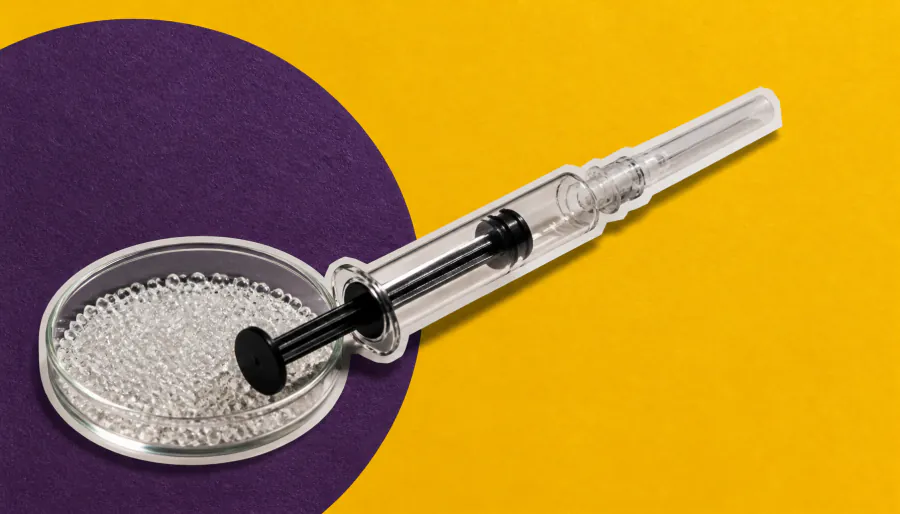
Patients are worried that poly-L-lactic acid (PLLA) dermal fillers contribute to harmful microplastic buildup — but science says otherwise. PLLA is a biodegradable polymer derived from plant starches that the body fully breaks down and eliminates within 8 to 30 months. Dermatologists are being urged to help patients understand the key difference between environmental plastics and medical-grade PLLA.
Patients are increasingly asking their dermatologists whether poly-L-lactic acid (PLLA) dermal fillers could contribute to harmful microplastic accumulation in the body — a concern fueled by growing public awareness of environmental plastic dangers. A scoping review presented at the American Society for Dermatologic Surgery Annual Meeting in San Diego sought to clear up the confusion.
PLLA is a synthetic polymer, but it belongs to a fundamentally different category than environmental plastics. Derived from renewable plant starches like sugarcane, PLLA undergoes non-enzymatic hydrolysis in the body, breaking down into lactic acid and ultimately metabolized into carbon dioxide or used in glucose production — leaving no toxic residue behind.
Key Takeaways:
Why it matters: As microplastic health concerns grow in public discourse, patients may avoid beneficial cosmetic or medical procedures based on misconceptions. Equipping clinicians with clear, science-backed talking points helps maintain patient trust and supports informed decision-making.