Turn on cookies to sign in
Signing in saves your progress to your Curie account. We can only do that with cookies on — turn them on to continue.
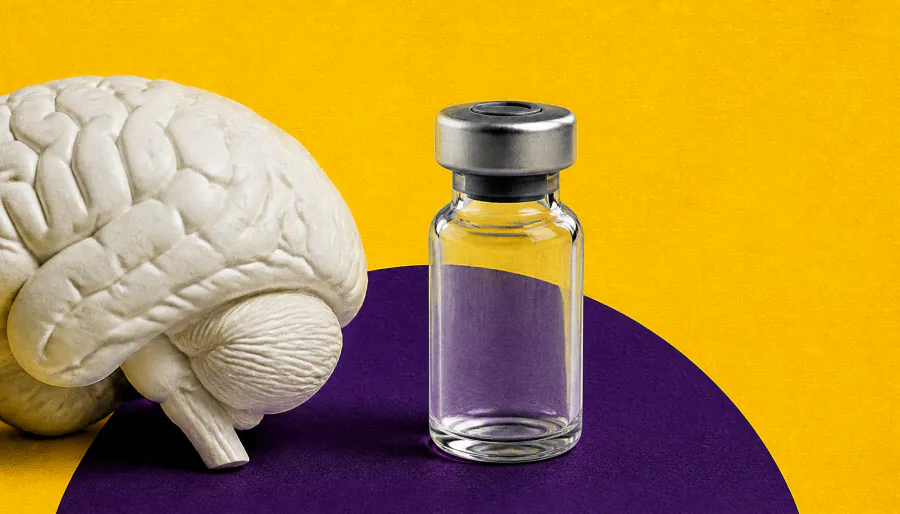
A natural compound found in broccoli may offer new hope for Friedreich ataxia, a rare genetic disease that progressively destroys nerve cells. Researchers at Swinburne University found that sulforaphane boosts frataxin — a protein deficient in patients — and shields vulnerable nerve cells from damage. Clinical trials are still needed, but the compound's existing safety record could fast-track its path to patients.
A natural compound found in broccoli may offer new hope for Friedreich ataxia, a rare genetic disease that progressively destroys nerve cells. Researchers at Swinburne University found that sulforaphane — already known for its health benefits — can boost levels of frataxin, a protein that is critically low in people with the condition. Without enough frataxin, high-energy cells like neurons deteriorate, robbing patients of their ability to walk, speak, and coordinate movement.
What makes sulforaphane especially exciting is its multi-pronged potential: beyond raising frataxin levels, it also appears to reduce cellular stress and inflammation — two key drivers of disease progression. And since it already has an established safety profile in both children and adults, the path to clinical use could be shorter than for a brand-new drug.
Key Takeaways:
Why it matters: Friedreich ataxia is rare, underfunded, and currently incurable. For the children who make up a large share of those affected, even modest improvements in function and independence could be life-changing. The Swinburne team is now seeking funding for clinical trials to confirm whether these promising lab findings translate to real-world patient benefit.