Turn on cookies to sign in
Signing in saves your progress to your Curie account. We can only do that with cookies on — turn them on to continue.
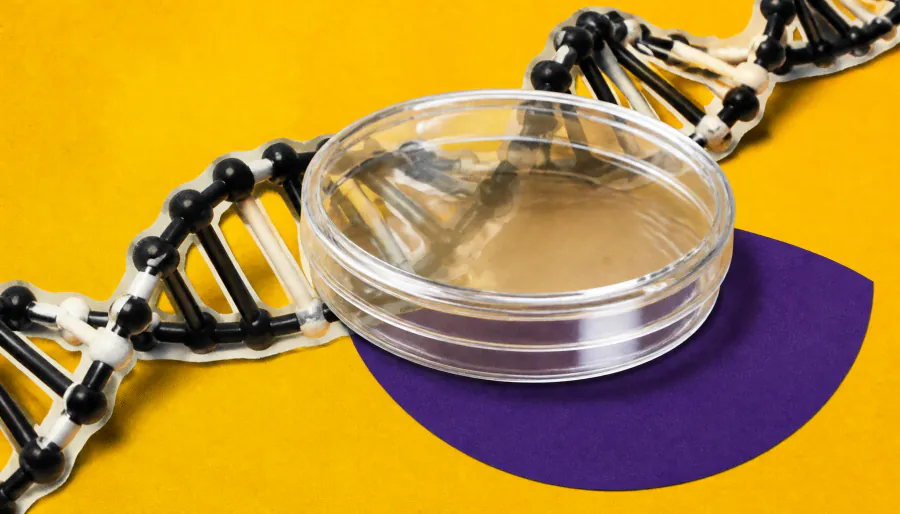
A gene linked to many cancers, E2F1, can kickstart cell division by bypassing the normal rules — no DNA unpacking required. Researchers at UC Santa Cruz found it binds directly to tightly packaged DNA, flipping on division-related genes in a fraction of the usual time. The discovery could open doors to more targeted cancer therapies.
Cells are supposed to stay dormant unless the body sends a signal to divide — but a cancer-linked gene called E2F1 appears to have found a workaround. Researchers at UC Santa Cruz, publishing in The EMBO Journal, discovered that E2F1 can trigger cell division without the usual step of physically unpacking tightly coiled DNA. Instead, it binds directly to a small region of still-packaged genetic material, switching on cell division genes far faster than the normal process.
This "shortcut" mechanism classifies E2F1 as a pioneer factor — a special class of genes capable of fundamentally reprogramming cell fate. The team also found that cells are sensitive to E2F1 levels: once concentrations cross a specific threshold, dormant cells begin dividing. Researchers suspect cancer cells may exploit this pathway by dysregulating E2F1 to bypass the body's normal checks on cell growth.
Key Takeaways:
Why it matters: Understanding how cancer cells hijack normal division controls is key to developing smarter treatments. This research lays the groundwork for therapies that could directly block E2F1 activity in specific cancers, potentially with fewer off-target effects than current approaches.